
Understanding SR22 in California: More Than Just a Form
Suddenly needing an SR22 filing can feel like a punch to the gut. Maybe you’ve had a difficult run-in with the law, or perhaps an accident without current insurance. Whatever the reason, finding yourself in this situation often brings a wave of confusion, anxiety, and worry about what comes next. You’re not alone in feeling this way. Many Californians face this challenge, and it’s easy to get lost in the jargon and the fear of higher costs.
Let’s clear the air a bit. An SR22 isn’t an insurance policy itself. Think of it more like a certificate—a special form that your insurance company files with the California Department of Motor Vehicles (DMV). This form simply proves to the state that you have the minimum required auto liability insurance coverage. It’s a way for the DMV to make sure that if you cause another accident, there’s a policy in place to cover the damages.
Most often, people need an SR22 after a serious driving violation. Driving under the influence (DUI) is a common one, of course. But you might also need it for reckless driving, driving without insurance and causing an accident, or even for accumulating too many points on your driving record too quickly. The court or the DMV will tell you exactly why you need it and for how long. It’s a clear signal that your driving privileges are conditional, and the state wants proof you’re responsible.
The Unique Landscape of California Auto Insurance and SR22s
California’s insurance market has always been… interesting. But lately, it’s been a particularly challenging environment, even for drivers with spotless records. Between the escalating wildfire risks that have pushed some carriers out of the state entirely, and the long-standing regulations of Proposition 103 that limit how much insurers can raise rates, finding affordable coverage can feel like a quest.
Here’s where it gets interesting. Add an SR22 requirement to that already complex mix, and the stakes go up. Many of the major carriers you might recognize—State Farm, AAA, Farmers—have been carefully adjusting their risk appetites across California. Some have even stopped writing new policies in certain regions, like parts of Ventura County or the Inland Empire, or for specific types of drivers. This tightening market means that if you need an SR22, your options might feel even more limited, and the premiums could jump significantly. Honestly, it’s a tough spot to be in.
What Happens When You Need an SR22?
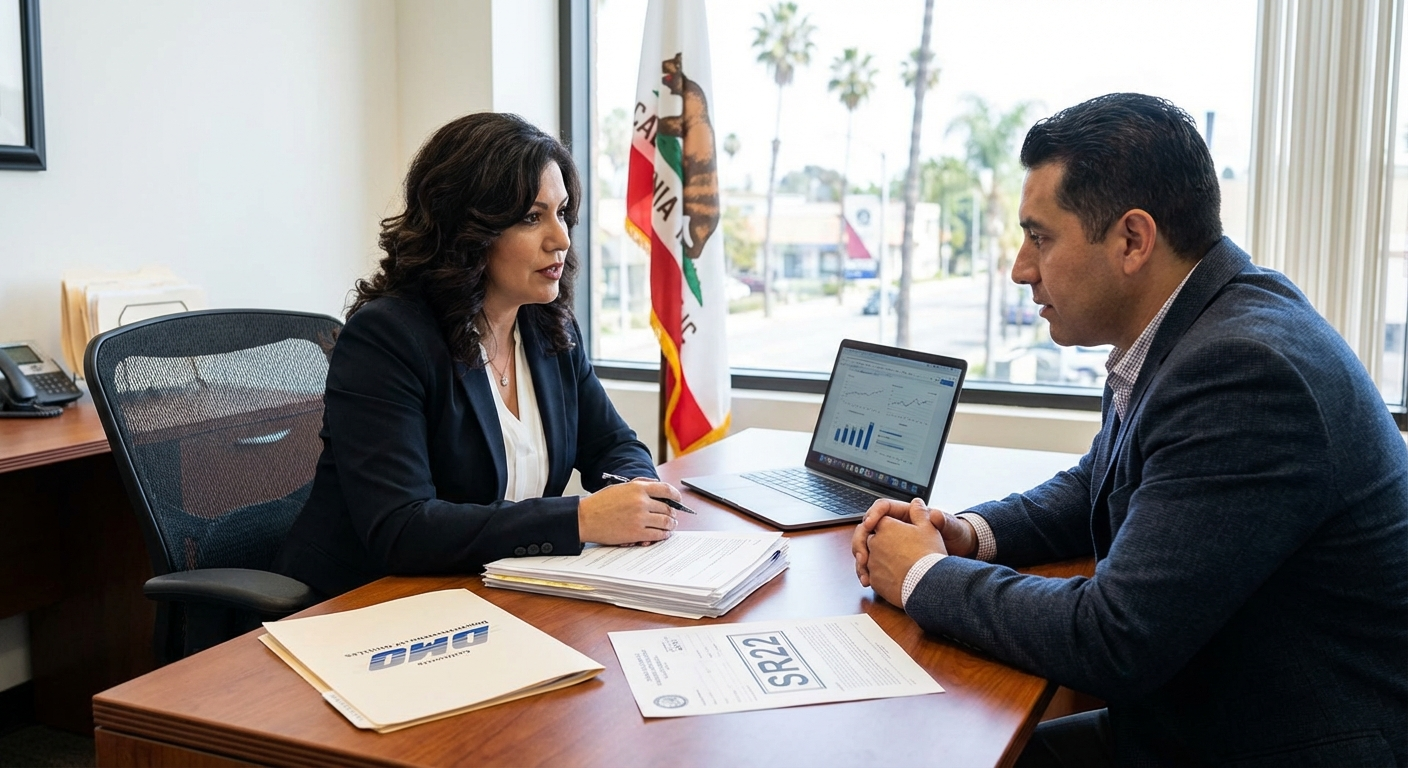
First, the DMV or the court will notify you that an SR22 is a condition for reinstating or maintaining your driving privileges. This is the official trigger. Next, you’ll need to find an insurance company willing to issue a policy and file that SR22 on your behalf. Not every insurer will do it. Some companies simply don’t cater to high-risk drivers, even if you’ve been a loyal customer for years.
Once you find a willing insurer, they’ll issue your policy and then electronically send the SR22 form directly to the DMV. This filing isn’t instant, but it’s usually pretty quick. The DMV then updates your record, acknowledging that you’ve met the financial responsibility requirement. But here’s the thing: you must keep that policy active for the entire period mandated by the state—usually three years, sometimes longer. If your policy lapses, even for a day, your insurer is required to file an SR26 form with the DMV, indicating that your SR22 is no longer active. That often leads to immediate license suspension. Not fun.
Finding SR22 Insurance in a Tough Market
If you’re reading this, chances are you’ve already discovered that getting SR22 insurance isn’t as simple as going online and clicking a few buttons. Insurers see an SR22 requirement as a red flag. It tells them you’re a higher risk, and higher risk usually means higher premiums. We’ve seen situations where premiums for a driver needing an SR22 could jump 50% or even double compared to what they paid before. In some parts of the Valley, where traffic citations are common, this can be particularly jarring.
That’s not the whole story. Some companies specialize in non-standard or high-risk auto insurance. These are often the places you’ll find a policy when others turn you away. But even among these, prices and coverage can vary wildly. It’s tempting to just grab the cheapest option, but stability and reliability matter, too. You don’t want to get a policy only to have it canceled a few months later because the insurer decides they don’t like your risk profile.
Non-Owner SR22: A Common Misconception
Many people mistakenly believe an SR22 is only for drivers who own a car. That’s not always true. What if you don’t own a vehicle but still need to drive? Maybe you borrow a friend’s car, or you drive a company vehicle for work. For these situations, California offers a “non-owner SR22” policy.
A non-owner SR22 provides liability coverage for you when you’re driving a car you don’t own and that isn’t regularly available to you. It’s a lifesaver for people who need to satisfy their SR22 requirement but don’t have a car registered in their name. This type of policy still proves financial responsibility to the DMV, allowing you to get your license back. Its pricing is often different from an owner’s policy, and it’s definitely something worth asking about if you’re in this unique situation.
The Cost of SR22: Beyond the Premium
When we talk about the “cost” of an SR22, most people think only of the insurance premium. And yes, those premiums will likely be higher. But the true cost runs deeper. There’s a small filing fee your insurer will charge to submit the SR22 to the DMV—usually around $15 to $25. That’s a minor detail. The real financial hit comes from those increased monthly or annual premiums, which can add hundreds, if not thousands, of dollars to your insurance bill over the course of your SR22 period.
Which brings up something most people miss. The consequences of not maintaining your SR22 are severe. If your policy lapses, your license will almost certainly be suspended again. You’ll have to start the reinstatement process all over, potentially paying more fees and extending the period you need the SR22. This cycle can be incredibly frustrating and expensive. Plus, a major violation that triggers an SR22 stays on your driving record for years, impacting your rates long after the SR22 itself is no longer required. Every point on your record makes you a less attractive risk to insurers, and that translates directly to your wallet.
How Long Does an SR22 Last in California?
For most drivers in California, the standard SR22 requirement lasts for three years from the date your license was eligible for reinstatement. But here’s the kicker: the exact duration can vary based on your specific offense and the court’s or DMV’s order. Some serious offenses, especially repeat DUIs, might require an SR22 for five years or even longer.
It’s absolutely essential to know your specific requirement down to the day. Don’t guess. Your DMV paperwork or court order will spell out the exact period. If you cancel your SR22 policy even one day before the mandated period is over, the DMV will receive that SR26 lapse notice, and you’ll be right back to square one with a suspended license. The state takes this very seriously. Keeping that proof of insurance active, without fail, is the single most important thing you can do once you have an SR22.
Your Best Path Forward: Getting Help
Look, dealing with an SR22, especially in California’s current insurance climate, can feel overwhelming. It’s natural to feel frustrated, confused, or even a little embarrassed. You might worry about being rejected by insurance companies or wonder if you’ll ever find affordable coverage again. But you don’t have to figure this out alone.
This is exactly where an experienced, independent insurance agent can make a world of difference. Someone who understands the nuances of California’s regulations, knows which carriers are still writing SR22 policies, and can advocate on your behalf. Karl Susman of Los Angeles Car Insurance Quotes, with CA License #OB75129, has helped countless Californians navigate these tricky waters. An independent agent isn’t tied to one company; they work for you, shopping around to find the best possible coverage and rates that meet your SR22 requirements. They can explain the different types of SR22s, help you understand your specific DMV requirements, and guide you through the process step-by-step.
Don’t let the fear of rejection stop you from getting the coverage you need to get back on the road legally.
Ready to see what options are available for your SR22 filing? Get a quote today and let an expert guide you. Click here to get your free SR22 insurance quote.
Frequently Asked Questions About California SR22 Filings
What exactly is an SR22, and why do I need it?
An SR22 isn’t insurance itself; it’s a certificate of financial responsibility that your insurance company files with the California DMV. You usually need it after a serious driving offense like a DUI, reckless driving, or causing an accident without insurance. It proves you have the state’s minimum required liability insurance to get your license reinstated or maintain your driving privileges.
How long do I need to carry an SR22 in California?
Most SR22 requirements in California last for three years. However, this period can vary depending on the specific violation and the court’s or DMV’s order. It’s really important to check your official paperwork to confirm your exact required duration.
What happens if my SR22 insurance lapses or gets canceled?
If your SR22 insurance policy lapses or is canceled before your required filing period ends, your insurance company is legally obligated to notify the California DMV. This will almost certainly result in the immediate suspension of your driver’s license, and you’ll have to start the reinstatement process all over again.
Can I get a non-owner SR22 if I don’t own a car?
Yes, absolutely. If you need an SR22 but don’t own a vehicle, a non-owner SR22 policy is designed for you. It provides liability coverage when you’re driving a car you don’t own and that isn’t regularly available to you, ensuring you meet the state’s financial responsibility requirements.
Will my insurance rates go up with an SR22?
In most cases, yes, your insurance rates will increase significantly with an SR22 requirement. Insurers view drivers needing an SR22 as higher risk. The exact amount of the increase varies widely based on your specific driving record, the offense, your location, and the insurance company.
Navigating the complexities of SR22 insurance in California doesn’t have to be a solo journey. With the right help, you can find a path forward.
Don’t let an SR22 filing keep you from the road. Connect with an expert who understands California’s insurance market. Get your personalized SR22 insurance quote now.
This article is for informational purposes only and does not constitute financial advice.