
Understanding Personal Injury Protection (PIP) in California Auto Insurance
Driving on California’s roads, from the bustling 405 to the scenic coastal highways in Ventura County, means you’re part of a daily dance with thousands of other drivers. Most of us hop in our cars, buckle up, and rarely think about what happens if that dance goes wrong. But accidents, unfortunately, happen. And when they do, the question of who pays for medical bills after an injury becomes incredibly urgent.
Here’s a common misunderstanding: Many folks from out of state, or even those who’ve simply heard the term, assume “Personal Injury Protection” – or PIP – is a standard part of California auto insurance. The short answer is no, not really. The real answer is a little more complicated, and it’s something every California driver really needs to understand.
California Isn’t a “No-Fault” State
First, let’s clear up a big difference. Many states operate under a “no-fault” system. In those places, if you’re in an accident, your own insurance company generally pays for your medical bills and lost wages, regardless of who caused the crash. That’s where traditional PIP coverage really shines. It’s designed to pay out quickly, often without waiting to figure out fault.
California, however, is an “at-fault” state. This means that the driver who caused the accident is financially responsible for the damages and injuries that result. So, if someone else hits you, their bodily injury liability coverage should theoretically pay for your medical expenses. If you cause the accident, your own bodily injury liability would cover *their* injuries.
But wait – what about *your* injuries if you’re at fault, or if the other driver doesn’t have enough insurance? That’s not the whole story.
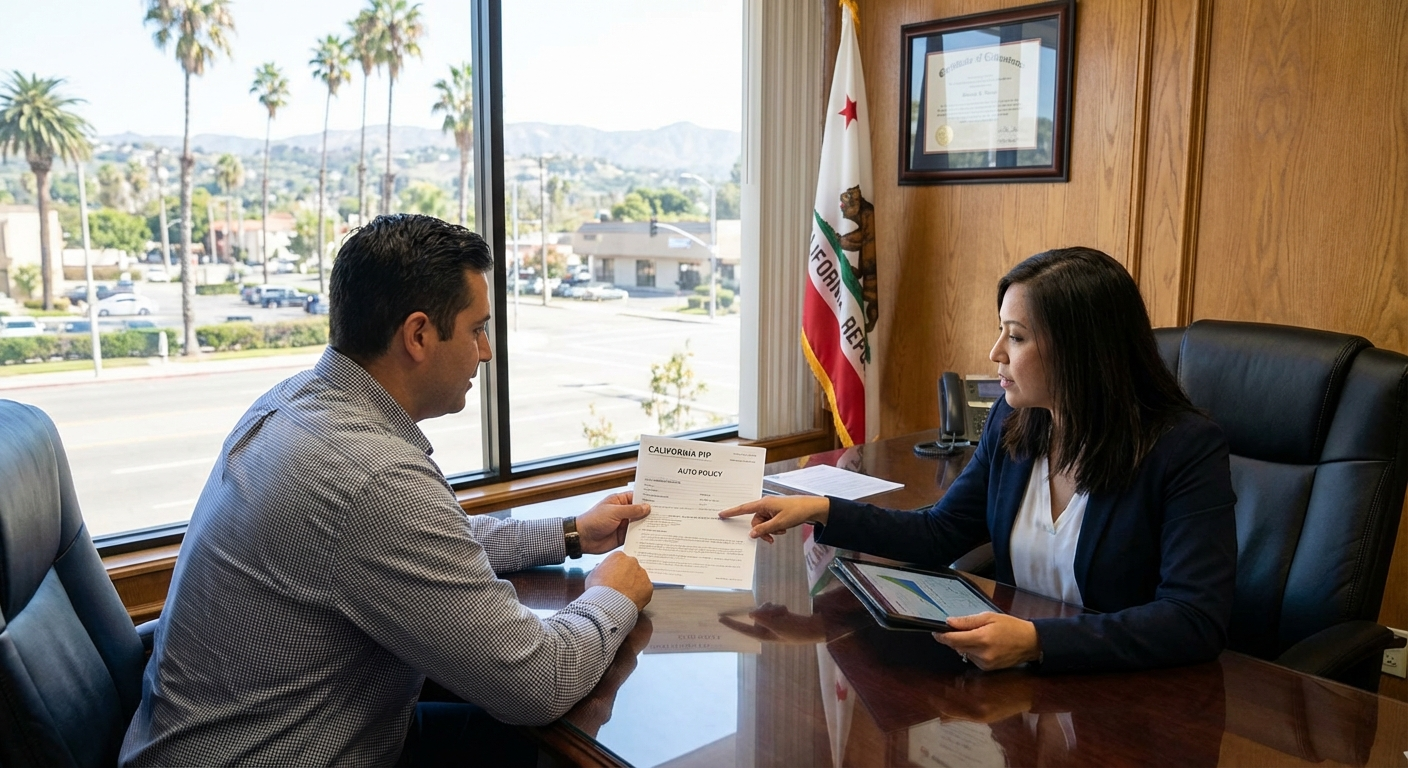
What California Has Instead: Medical Payments and Uninsured/Underinsured Motorist Coverage
Since we don’t have traditional PIP, California drivers rely on other parts of their auto policy to cover their injuries. The two big ones are Medical Payments coverage (often called MedPay) and Uninsured/Underinsured Motorist coverage (UM/UIM). These are your safety nets.
Medical Payments (MedPay) Coverage: Your Immediate Help
Think of MedPay as a first-aid kit for your auto policy. It’s an optional coverage, but it’s one Karl Susman at Los Angeles Car Insurance Quotes, CA License #OB75129, often suggests clients seriously consider. Here’s why:
MedPay pays for reasonable and necessary medical expenses for you and your passengers, regardless of who was at fault for the accident. It covers things like ambulance rides, emergency room visits, doctor appointments, X-rays, and even dental care due to an accident. The best part? It kicks in quickly. You don’t have to wait for fault to be determined or for the other driver’s insurance company to process a claim.
Limits for MedPay usually range from $1,000 up to $10,000 or even $25,000 per person. It’s not meant to cover catastrophic, long-term injuries, but it’s incredibly helpful for those immediate bills that can pile up fast. It can also act as a bridge until your health insurance kicks in or until a liability claim is settled.
Uninsured/Underinsured Motorist (UM/UIM) Coverage: Protecting You from Others
This coverage is absolutely essential in California. Honestly, it’s probably one of the most important coverages you can buy.
Imagine you’re driving home through the Inland Empire, minding your own business, and someone slams into you. They’re clearly at fault. But here’s the kicker: they either don’t have insurance at all (uninsured), or they only have the bare minimum liability limits, which won’t come close to covering your medical bills and lost wages (underinsured). This happens more often than you’d think. California, like many states, has a significant number of uninsured drivers.
UM/UIM coverage steps in when the at-fault driver can’t pay. It essentially acts as *their* liability insurance for *your* injuries and damages.
* **Uninsured Motorist Bodily Injury (UMBI):** This pays for your medical expenses, lost wages, and pain and suffering if an uninsured driver injures you. It also covers your passengers.
* **Underinsured Motorist Bodily Injury (UIMBI):** This kicks in when the at-fault driver’s insurance isn’t enough to cover your injuries. Your UIMBI coverage will pay the difference, up to your policy limits.
* **Uninsured Motorist Property Damage (UMPD):** This covers damage to your vehicle if an uninsured driver hits you. It usually has a deductible, often around $250.
Which brings up something most people miss: The limits you choose for UM/UIM should ideally match your own bodily injury liability limits. If you’re carrying $100,000/$300,000 in liability, you should aim for the same for your UM/UIM. Why? Because you’re protecting yourself and your family as robustly as you’re protecting others.
Why These Coverages Are So Important in the Golden State
Medical bills can skyrocket after even a seemingly minor accident. An ambulance ride, a few doctor visits, an MRI – suddenly you’re looking at thousands of dollars. If you don’t have MedPay, you’re either paying out of pocket, relying on your personal health insurance (which might have a high deductible or co-pays), or waiting for the other driver’s insurance to pay up. Waiting can be a nightmare; it can take months, sometimes even years, to settle a personal injury claim, especially if lawyers get involved.
And what if you’re partially at fault? California has a “pure comparative negligence” rule. This means if you’re 20% at fault for an accident and the other driver is 80% at fault, you can still recover 80% of your damages from them. However, your own MedPay would still cover your portion of the medical costs, regardless of fault, up to its limits. It’s a fast, efficient way to get some relief.
The Real-World Context: Rising Costs and Shifting Markets
It’s no secret that auto insurance in California has seen some big changes recently. Premiums jumped, on average, 40% between 2022 and 2024. Many insurers, including big names like State Farm, AAA, and Farmers, have been pulling back from certain parts of the state or making it harder to get new policies. This isn’t just about wildfires, though those play a part; it’s also about rising repair costs, increased litigation, and the sheer volume of accidents on our crowded roads.
In this kind of environment, being underinsured or not having adequate medical protections is a huge gamble. You might be saving a few bucks on your premium, but you’re exposing yourself to potentially ruinous financial consequences if you’re involved in a serious crash.
For most California drivers, especially those commuting through the Valley or making regular trips on busy freeways, having robust MedPay and high UM/UIM limits isn’t just a good idea; it’s practically a necessity. It’s about more than just paying for a dinged bumper; it’s about protecting your health, your finances, and your family’s well-being.
Don’t guess what you need. A quick conversation can clarify everything. If you’re unsure about your current coverage or want to explore options for MedPay and UM/UIM, reach out to an expert. Karl Susman at Los Angeles Car Insurance Quotes, CA License #OB75129, has been helping Californians understand these nuances for years. Give him a call at (877) 411-5200 or visit https://losangelescarinsurancequotes.com/quote/ for a personalized quote.
FAQs About Personal Injury Coverage in California
Does my health insurance cover car accident injuries?
Yes, typically your personal health insurance will cover injuries from a car accident, subject to your plan’s deductibles, co-pays, and exclusions. However, MedPay coverage on your auto policy can often kick in first and pay those initial medical bills before your health insurance even gets involved. It can also cover your deductible or co-pays, making it a valuable layer of protection.
Is Uninsured/Underinsured Motorist coverage mandatory in California?
No, it’s not legally mandatory. However, your insurance company is required to offer it to you, and you must sign a waiver if you choose to decline it. Given the number of uninsured drivers in California, Karl Susman always recommends carrying this coverage. It’s a small premium for a huge amount of protection.
What if I’m a passenger in someone else’s car and get injured?
If you’re a passenger, your own MedPay coverage would still typically cover your medical expenses, regardless of whose car you’re in or who was at fault. If you don’t have MedPay, the driver of the car you’re in might have MedPay or their liability insurance would cover you if they were at fault. If another driver was at fault, their liability insurance would pay for your injuries.
How much MedPay and UM/UIM coverage should I get?
There’s no one-size-fits-all answer. It depends on your personal financial situation, your health insurance deductible, and how much risk you’re comfortable taking. Many experts suggest carrying MedPay limits of at least $5,000 to $10,000. For UM/UIM, it’s generally a good idea to match your bodily injury liability limits, giving you consistent protection for yourself and your family.
Understanding these aspects of your auto policy can save you a world of hurt — both physical and financial — down the road. It’s not about hoping for the best; it’s about planning for the unexpected.
Ready to make sure your auto insurance truly protects you and your loved ones? Get a personalized quote today and review your options with a professional. Visit https://losangelescarinsurancequotes.com/quote/ to start the process.
***
This article is for informational purposes only and does not constitute financial advice.