What’s the Big Deal with “Full Coverage” Anyway?
Honestly, that phrase “full coverage” gets tossed around a lot. Most drivers in California hear it and think, “Great, I’m covered for absolutely everything.” Not always. The real answer is more complicated. What most people mean when they say “full coverage” is that they have *both* collision and comprehensive insurance, on top of the legally required liability coverage.
Think about it this way: your car is one of your biggest investments, especially if you’re driving around the busy streets of Los Angeles or commuting through the Inland Empire. Protecting that investment means understanding how different parts of your policy actually work. If you don’t, you might find yourself in a bind after an accident, or worse, after your car disappears from your driveway in the Valley.
Collision Coverage: When You Hit Something (or Something Hits You)
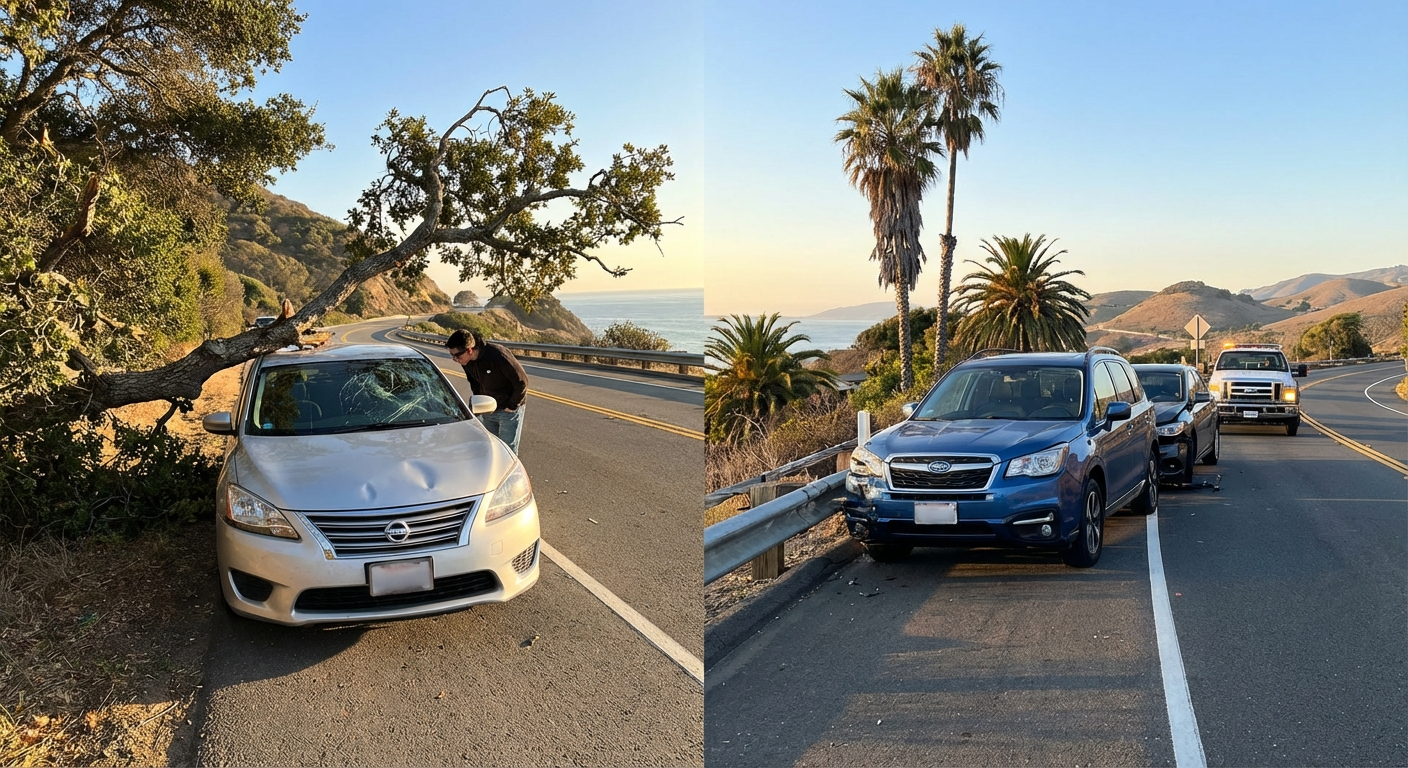
This is the part of your policy that kicks in when your car gets banged up in an accident. You know, the kind where you collide with another vehicle. Or maybe you swerve to miss a deer in Ventura County and smack into a guardrail instead. That’s collision. It pays to repair or replace your own vehicle, no matter who was at fault.
For example, imagine you’re creeping along the 405, and suddenly, traffic stops short. You hit the brakes, but it’s too late. *Crunch.* You’ve just rear-ended the car in front of you. Your liability insurance will handle the damage to *their* vehicle and any injuries they might have, but your collision coverage is what fixes *your* crumpled bumper and cracked headlights. Big difference.
But here’s the thing. Your collision coverage comes with a deductible. That’s the amount you have to pay out of pocket before your insurance company starts paying. If you have a $1,000 deductible, and your repair bill is $3,000, you pay the first grand, and your insurer covers the remaining two. Picking your deductible is a balancing act. A lower deductible means you pay less if you make a claim, but your monthly premium will be higher. A higher deductible shrinks your monthly bill, but you’ll need more cash on hand if something goes wrong.
Many people think they *must* have collision coverage. If you have a loan or lease on your car, your lender absolutely requires it. They want their asset protected, and frankly, you should too. But if your car is older, maybe only worth a few thousand dollars, you might consider dropping it. Is paying hundreds of dollars a year for coverage on a car worth $3,000 really a smart move? Sometimes, it’s not. That’s a conversation worth having with someone who knows the ropes.
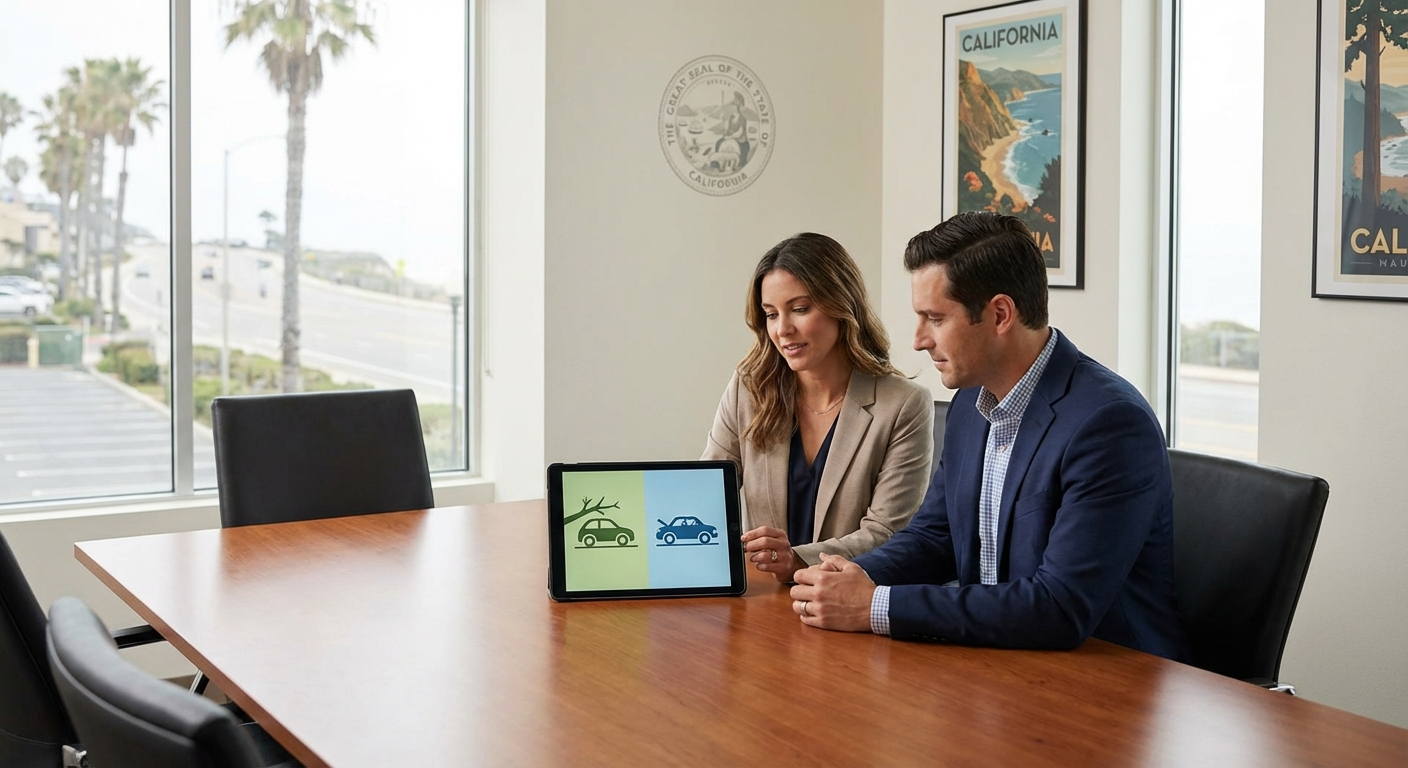
Comprehensive Coverage: The “Other Stuff” That Happens
Now, this is where things get interesting. Comprehensive coverage is for almost everything *else* that can damage your car, *besides* a collision with another vehicle or object. Think of it as your “act of God” or “random bad luck” coverage.
What does that look like in California? Plenty.
* **Theft:** Car theft is a real problem in places like Los Angeles and the Bay Area. If your car is stolen, comprehensive coverage pays out.
* **Vandalism:** Someone keys your car in a parking lot, or breaks a window.
* **Fire:** This is a big one for us in California. Wildfires aren’t just a threat to homes. If a fire engulfs your car, comprehensive is your savior.
* **Natural Disasters:** Hail (less common here, but it happens in the mountains), floods, falling trees.
* **Animal Collisions:** Hitting a deer on a rural road in San Luis Obispo County, or even a coyote late at night in the suburbs.
Which brings up something most people miss: glass breakage. A cracked windshield from a flying rock on the freeway? That’s typically covered under your comprehensive policy. And often, your comprehensive deductible can be different from your collision deductible. Sometimes, glass repair even has a separate, lower, or zero deductible.
Wildfires and Comprehensive: A California Reality Check
We live in a state where wildfires are a yearly nightmare. Just look at the devastating fires that sweep through areas like the Santa Cruz Mountains or, hypothetically, the major fires we might see in LA in 2025. Your home insurance covers your house, but what about your car if it’s parked outside and caught in the flames? That’s where comprehensive steps in. It’s not just about an accident; it’s about the very real environmental risks we face. Without it, losing your car to a wildfire would be a total loss out of your own pocket.
The Deductible Dance: How Much Skin Do You Have in the Game?
We touched on deductibles briefly, but they’re worth a deeper look because they directly affect your premiums. Many people think the lower the deductible, the better. And yes, if you have a $250 deductible, you’ll pay less out of pocket when you make a claim than if you had a $1,000 deductible.
But here’s the catch: that low deductible makes your monthly or yearly premium much higher. Insurance companies know they’ll likely pay more often with a low deductible, so they charge you more up front. The trick is finding a balance. Can you comfortably afford a $1,000 or $2,500 deductible if you need to? If so, you could save a good chunk of money on your premiums over time. If a sudden $1,000 expense would break your budget, then a lower deductible might be worth the higher premium. It’s all about your personal risk tolerance and financial comfort.
When Can You Ditch One (or Both)?
Many people think once you have collision and comprehensive, you’re stuck with them forever. Not true. The short answer is yes. The real answer is more complicated.
If you own your car outright – no loan, no lease – you technically don’t *have* to carry collision or comprehensive insurance. But should you? That’s the question.
For an old clunker, maybe a 2005 Honda Civic with 200,000 miles that’s barely worth $2,000, dropping collision might make sense. The annual premium could easily be a significant percentage of the car’s actual value. If you get into an accident and it’s totaled, the payout might not be much more than your annual premium, especially after your deductible.
But wait — even for that old Civic, comprehensive coverage still holds value. If someone steals it, or it gets burned in a freak garage fire, your comprehensive policy would still pay out its actual cash value. Theft and fire don’t care if your car is new or old. For a few extra bucks a month, that peace of mind can be priceless.
It’s about weighing the cost of the premium against the potential loss. And remember, in California, factors like Prop 103 influence how rates are set, meaning your driving record and how long you’ve been insured with a company can play a big role, too.
The Cost Question: Why So Much in California?
If you’ve been shopping for car insurance lately, you’ve probably noticed that California premiums can feel pretty steep. Why is that? It’s not just one thing.
First, we have a lot of cars. A lot of traffic. More cars and more traffic in places like the Bay Area or Orange County mean more accidents. More accidents mean more claims.
Second, repair costs are high here. Labor rates are expensive, and parts cost money. If your car needs a new bumper and sensors after a minor fender-bender, that’s thousands of dollars.
Third, vehicle theft is a persistent issue. Certain models are targeted more often, and if your car is one of them, you’ll feel it in your comprehensive rates.
And fourth, those wildfires we talked about? They’re a huge risk factor. Insurers like State Farm, AAA, and Farmers have had to adjust their rates – or even pull back from certain markets – because the risk of catastrophic losses is so high. It all goes into the big “risk pool” that determines what everyone pays.
It’s complex, and that’s why a good insurance agent isn’t just selling you a policy; they’re helping you understand these risks and find the right fit for your needs.
Ready to explore your options and find a policy that truly protects your ride without breaking the bank? Get a personalized quote today and see what’s possible: https://susmaninsurance.com/get-a-quote/
So, How Do You Choose? Karl Susman’s Take
Look, there’s no magic formula here. What’s right for your neighbor in San Diego might be totally wrong for you in Sacramento. Deciding on collision and comprehensive coverage means looking at your personal situation.
Karl Susman of Los Angeles Car Insurance Quotes, CA License #OB75129, has seen it all. He’ll tell you it comes down to a few key things:
* **Your Car’s Value:** Is it worth enough that you’d struggle to replace it if it was totaled or stolen?
* **Your Financial Situation:** Can you comfortably afford to pay for major repairs or replace your car out of pocket if you had to?
* **Where You Live and Drive:** Is your area prone to theft, vandalism, or natural disasters like wildfires? Do you park on a busy street or in a secure garage?
* **Your Risk Tolerance:** Are you okay with taking a gamble to save a few bucks, or do you prefer maximum peace of mind?
It’s not just about getting the cheapest rate; it’s about getting the *right* coverage. Sometimes, spending a little more now saves you a lot more later. And sometimes, you’re paying for coverage you don’t really need. Getting an expert opinion, someone who understands the California market, can save you a ton of headaches and money.
Don’t guess when it comes to protecting your vehicle. Talk to an expert who can help you weigh your options and make an informed decision. Get started on your personalized quote right now: https://susmaninsurance.com/get-a-quote/
Frequently Asked Questions About Your CA Car Insurance
Can I have comprehensive coverage without collision coverage?
Absolutely. You might choose to do this if you have an older car that isn’t worth much, but you still want protection against theft, fire, or vandalism. It’s a way to get some protection without the higher cost of collision.
Does my deductible apply to both collision and comprehensive claims?
Yes, typically both collision and comprehensive coverages have their own deductibles. They can be the same amount, or they can be different. Sometimes, certain comprehensive claims, like glass repair, might even have a separate, lower, or zero deductible. Always check your policy specifics.
What if I have an old car? Should I still carry collision and comprehensive?
It depends on the car’s actual cash value and your financial situation. If your car is only worth a couple of thousand dollars, the cost of collision coverage might outweigh the potential payout. However, comprehensive coverage can still be a good idea, as it protects against theft, fire, and other non-collision damages regardless of your car’s age.
Will making a claim for collision or comprehensive damage automatically raise my rates?
Not necessarily “automatically,” but it’s a strong possibility. Insurance companies look at your claims history when setting rates. An at-fault collision claim is more likely to increase your premiums than a comprehensive claim for, say, a stolen car (where you weren’t at fault). But any claim can impact your rates.
Does my credit score affect my car insurance rates in California?
No. California is one of the few states that bans insurers from using credit scores to determine car insurance premiums. Instead, factors like your driving record, years of driving experience, where you live, and how many miles you drive typically have a greater impact.
—
This article is for informational purposes only and does not constitute financial advice.