What You’ll Learn:
- Why your California car insurance bill changes depending on your zip code.
- The hidden factors — beyond your driving record — that insurers consider.
- Which California cities generally see higher or lower rates.
- Practical steps you can take to potentially lower your premium.
- How California’s unique insurance rules, like Prop 103, play a role.
Understanding California Car Insurance Costs by City
You probably know your driving record, your age, and the kind of car you drive all play a big part in how much you pay for auto insurance. That’s common sense. But here’s where it gets interesting: your address matters just as much, sometimes even more. In California, the city and even the specific zip code where you park your car can make a huge difference to your premium. We’re talking hundreds, even thousands, of dollars a year.
Honestly, it feels a little unfair sometimes, doesn’t it? You could be the safest driver in the world, but if you live in a certain neighborhood, your rates might still climb. This guide will help you understand why this happens and what you can do about it.
Step 1: The Obvious Stuff – Your Personal Profile
Before we even talk about cities, let’s quickly cover the basics. These are the things you probably already expect an insurer to ask about:
- Your Driving History: Accidents, tickets, DUIs – these are big red flags for insurers. Clean record? You’ll pay less.
- Your Age & Experience: Young, inexperienced drivers almost always pay more. Drivers over 25 with a good history usually see better rates.
- Your Vehicle: A brand-new sports car costs more to insure than an older sedan. Why? Repairs are pricier, and it’s more attractive to thieves.
- Your Credit Score: Yes, in California, your credit history can still factor into your premium, though less directly than in some other states. Insurers often link a higher credit score with a lower risk of filing claims.
- Your Coverage Choices: How much liability do you want? Do you need collision and comprehensive? Are you adding roadside assistance or rental car coverage? More coverage means a higher bill, naturally.
These factors are pretty universal. But they’re just the starting line.

Step 2: The City Effect – Why Location Is Key
Now, let’s talk about why moving a few miles down the road can change your insurance bill so much. Insurers don’t just look at you; they look at your environment. They’re all about risk assessment, and your location tells them a lot about the potential risks your car faces.
Population Density & Traffic
Imagine driving in downtown Los Angeles during rush hour. Cars bumper-to-bumper. Stop-and-go. Plenty of lane changes. Now picture driving on a quiet street in a small town in, say, Shasta County. Big difference, right?
More cars on the road mean more opportunities for accidents. Cities like San Francisco, Oakland, and the denser parts of Orange County see a lot more traffic congestion. This directly translates to a higher likelihood of fender-benders, sideswipes, and other minor collisions. Insurers see these areas as having a higher “frequency of claims,” so they charge more.
Crime Rates
This one’s tough, but it’s a reality. If you live in an area with higher rates of car theft, vandalism, or break-ins, your comprehensive coverage — which pays for those things — will cost more. Insurers track these statistics down to the zip code level. A car parked overnight in a neighborhood with a high theft rate is simply a bigger risk than one parked in a gated community in a low-crime suburb.
Some parts of the Inland Empire, for example, have seen spikes in auto theft, which can push rates up for everyone living there. It’s not about you; it’s about the general risk in your area.
Accident Hotspots & Claims Frequency
Insurers collect mountains of data. They know which intersections have the most accidents, which freeways are prone to pile-ups, and which neighborhoods have drivers who file claims more often. If your zip code falls within one of these “hotspots,” you’ll likely pay more. It’s simply a statistical reality for them.
Think about major commuter routes in San Diego or the sprawling freeway systems around Sacramento. More miles driven, more chances for something to go wrong.
Weather & Natural Disasters
California is beautiful, but it’s also prone to certain natural events. We’re talking wildfires, mudslides, and even earthquakes. While earthquake damage to cars is usually covered by comprehensive, the increasing threat of wildfires, like those that devastated parts of Ventura County and the Wine Country in recent years, can impact rates.
If your car is parked in a high-risk fire zone, your comprehensive coverage might see an increase. It’s not just about the fire itself; it’s about the evacuation routes, the potential for falling debris, and the general disruption that these events cause.
Local Repair Costs
The cost of labor and parts can vary significantly across California. Auto body shops in Beverly Hills or Silicon Valley often charge more for repairs than those in a more rural part of the state. These higher repair costs directly affect how much an insurer has to pay out for a claim, so they factor that into your premium.
Step 3: How Insurers See California Cities
So, which cities tend to be more expensive, and which are generally cheaper? This isn’t a hard-and-fast rule, and rates change all the time, but we can look at general trends.
Generally More Expensive Areas:
- Los Angeles County: Especially denser areas like Hollywood, Downtown LA, and parts of the Valley. High traffic, high population, higher crime rates in some areas.
- San Francisco Bay Area: San Francisco itself, Oakland, and San Jose often see elevated rates due to extreme population density, traffic, and high cost of living (which translates to higher repair costs).
- Sacramento: While not as dense as LA or SF, Sacramento has its share of traffic and accident-prone areas, pushing rates up.
- Parts of Orange County: Densely populated areas with heavy traffic, especially near major freeways, can be pricey.
Generally Less Expensive Areas:
- Rural Northern California: Areas like Redding, Chico, or smaller towns in the Sierra Nevada foothills often have lower rates due to less traffic and lower population density.
- Central Valley (some parts): While some Central Valley cities like Fresno or Bakersfield can have moderate rates, the more rural agricultural areas often see lower premiums.
- Smaller Coastal Towns: Some quieter coastal communities, away from major metropolitan hubs, might offer better rates.
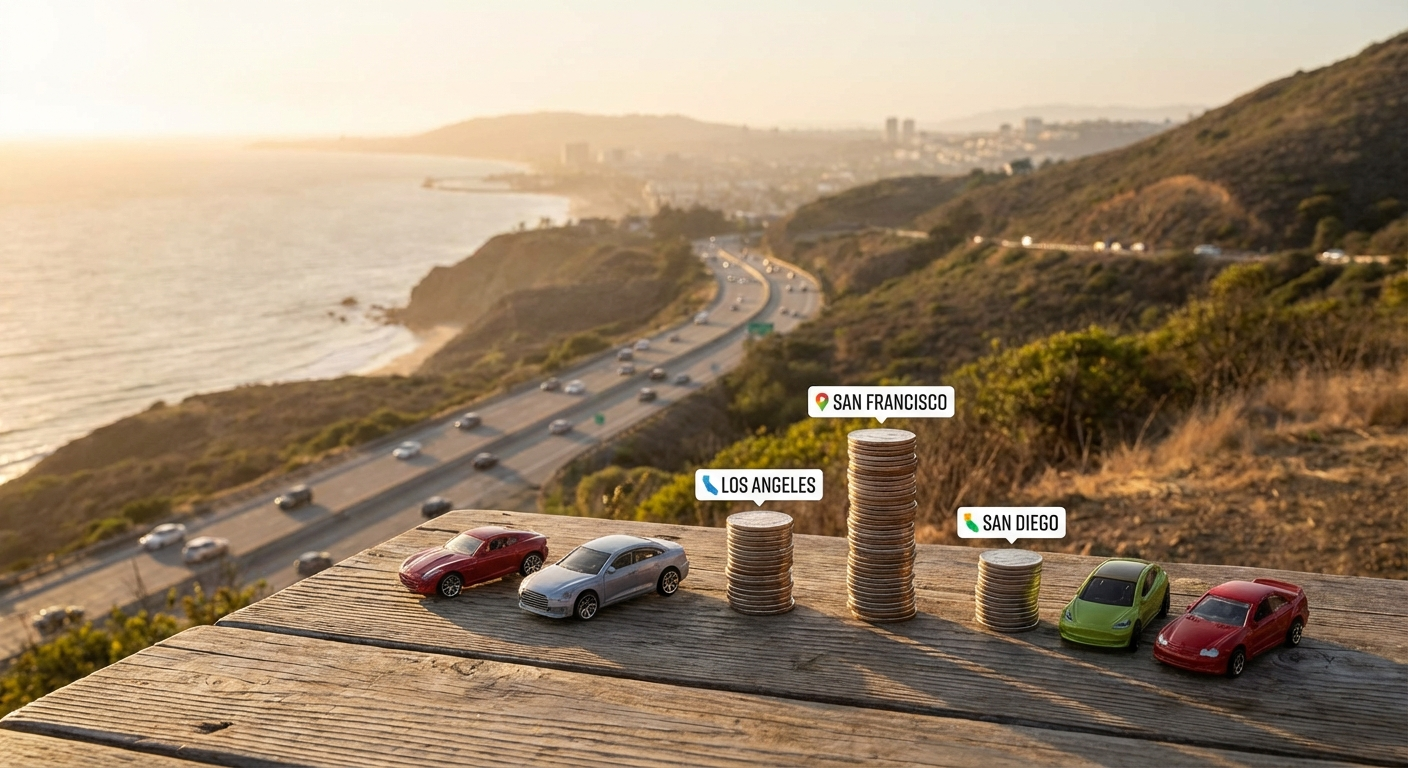
But wait — even within a single city, rates can jump from one zip code to the next. You could live in one part of San Diego and pay significantly more than someone just a few miles away. It’s that granular.
Step 4: What You Can Do About It
Feeling a bit stuck? Don’t be. Even if you live in a “high-risk” zip code, you still have options to try and lower your costs.
Shop Around, Seriously
This is probably the single most effective thing you can do. Different insurers weigh risk factors differently. One company might penalize your zip code more heavily than another. The only way to find out is to compare quotes from multiple providers.
Many people stick with the same insurer for years, thinking they’re getting a deal. Not always. Your rates can creep up without you noticing. This is where an independent agency like Los Angeles Car Insurance Quotes comes in handy. Karl Susman and his team work with many different insurance companies, so they can do the shopping for you, comparing prices and coverage to find the best fit for your specific situation. You can reach them at (877) 411-5200 or get started right now: Get a Quote!
Adjust Your Coverage
Do you really need that rental car reimbursement? Is your older car worth paying for full collision and comprehensive coverage? Sometimes, if your car isn’t worth much, dropping comprehensive or collision can save you a lot. Just make sure you understand the risks involved.
Look for Discounts
Insurers offer all sorts of discounts: good student, multi-car, multi-policy (bundling home and auto), anti-theft devices, safe driver programs, even paying your premium in full. Ask about every single one you might qualify for. You’d be surprised how much they can add up.
Drive Safely (Duh)
This sounds obvious, but a clean driving record is your best friend. No tickets, no accidents. Many insurers offer “accident forgiveness” or “safe driver” discounts after a certain period of claim-free driving. Some even offer telematics programs where they track your driving habits via an app or device – if you prove you’re a safe driver, you get a discount.
Step 5: The California Context – Regulations and the Market
California’s insurance market is unique. Prop 103, passed way back in 1988, gives the state’s Insurance Commissioner the power to approve or reject rate increases. This means insurers can’t just hike prices whenever they want. They have to justify their rates.
Here’s the thing: while Prop 103 protects consumers, it also means that when costs for insurers go up – like the rising cost of car repairs, medical care for accident victims, or the increasing frequency of severe weather events – they can struggle to get rates approved that accurately reflect their costs. This has led to some insurers pulling back from the California market or limiting new policies in certain areas.
This makes shopping around even more important. The market is constantly shifting, and what was a good deal last year might not be today. That’s why working with an experienced professional like Karl Susman, CA License #OB75129, is so valuable. He understands these market dynamics and can help you navigate them.
Ultimately, your car insurance premium is a complex equation, with your location playing a surprisingly large role. But knowing how it all works puts you in a much better position to find an affordable policy.
Frequently Asked Questions About California Car Insurance by City
Q: Can my car insurance rates change if I move to a different zip code within the same city?
Absolutely. Even if you stay within the same city, moving from one zip code to another can significantly impact your premium. Insurers look at hyper-local data like crime rates, traffic density, and accident statistics for each specific zip code, not just the broader city limits.
Q: Why do some insurance companies charge more for the same coverage in the same city?
Different insurance companies have different underwriting models. They weigh risk factors – like your age, driving record, car type, and even your specific zip code – differently. One insurer might be more concerned about theft rates in your area, while another might prioritize accident frequency. This is why comparing quotes is so important.
Q: Does where I park my car (garage vs. street) affect my rates?
It can, yes. If you consistently park your car in a secure garage, especially overnight, some insurers might offer a small discount or factor that into their risk assessment for your location. Street parking, particularly in high-crime areas, generally presents a higher risk of theft or vandalism.
Q: How often should I shop for new car insurance quotes in California?
It’s a good idea to shop for new quotes at least once a year, or whenever you have a significant life event. Did you buy a new car? Get married? Move to a new address? All these things can change your risk profile and potentially qualify you for better rates. Don’t wait for your renewal notice to just accept a higher premium.
Ready to see how your city impacts your rates and find a policy that fits your budget? Get a personalized quote today: Start Your Quote Here!
This article is for informational purposes only and does not constitute financial advice.