Your California Dream Machine Needs Special Protection
There’s nothing quite like cruising a classic car through California. Maybe you’re on Highway 1, the salty breeze coming off the Pacific, or perhaps you’re showing off your polished beauty at a weekend meet-up in Ventura County. That rumble of the engine, the gleam of chrome, the admiring glances — it’s not just a car, is it? It’s a piece of history. A passion project. A labor of love that probably involved more skinned knuckles and late nights than you care to admit.
But then, the practical side of things kicks in. The insurance. For many classic car owners, especially here in California, that can feel like a confusing, even frustrating, part of the journey. You might have tried to get a quote from your regular insurance company, only to be met with blank stares or a policy that just doesn’t make sense for a car that’s appreciating, not depreciating. You’re not alone in feeling that way. It’s a common worry.
Honestly, a standard auto policy from State Farm or AAA, designed for your daily commuter, just won’t cut it for that meticulously restored ’67 Mustang or that pristine ’55 Chevy. Why? Because classic cars live by different rules. They have different values, different uses, and frankly, different risks. And if you’ve ever had a bad experience with a claim on a regular car, imagining that headache with your cherished classic can be enough to make you keep it in the garage.
What Makes a Car “Classic” for Insurance Purposes?
It’s easy to think a car becomes “classic” just by being old. But here’s the thing: age is only part of the story. For insurance companies, especially those specializing in collector vehicles, a classic isn’t just some beat-up old sedan from the 70s. Oh no. We’re talking about specific criteria.
Generally, a car needs to be at least 25 or 30 years old to qualify. But that’s not the whole story. It also typically needs to be well-maintained, in good original condition or professionally restored. The mileage matters, too. Most classic car policies come with strict annual mileage limits — often 2,500 to 5,000 miles a year. They assume you’re not using it for your daily drive through the Inland Empire traffic. You’re using it for pleasure, for shows, for weekend cruises up to Lake Arrowhead.
Where you keep it makes a big difference. Insurers usually expect classics to be stored in a secure, enclosed garage, not parked on the street in downtown Sacramento. And the car shouldn’t be your primary mode of transportation. It needs to be a secondary vehicle, a true collector’s item. If your car fits these descriptions, you’re likely eligible for specialized coverage. If it doesn’t, you might find yourself in a tricky spot with a standard policy.
Agreed Value vs. Actual Cash Value: A Big Difference
This is probably the single most important distinction when it comes to classic car insurance, and it’s where many people get burned by standard policies.
Imagine your beloved vintage Porsche. You’ve poured years and thousands of dollars into it. Under a standard auto policy, if that car is totaled, the insurer will typically pay out its *Actual Cash Value* (ACV). What does that mean? It means they’ll look at the car’s market value, then subtract for depreciation, wear, and tear. For an older car, even a nice one, ACV can be shockingly low — often just a fraction of what you know it’s truly worth. It’s a gut punch.
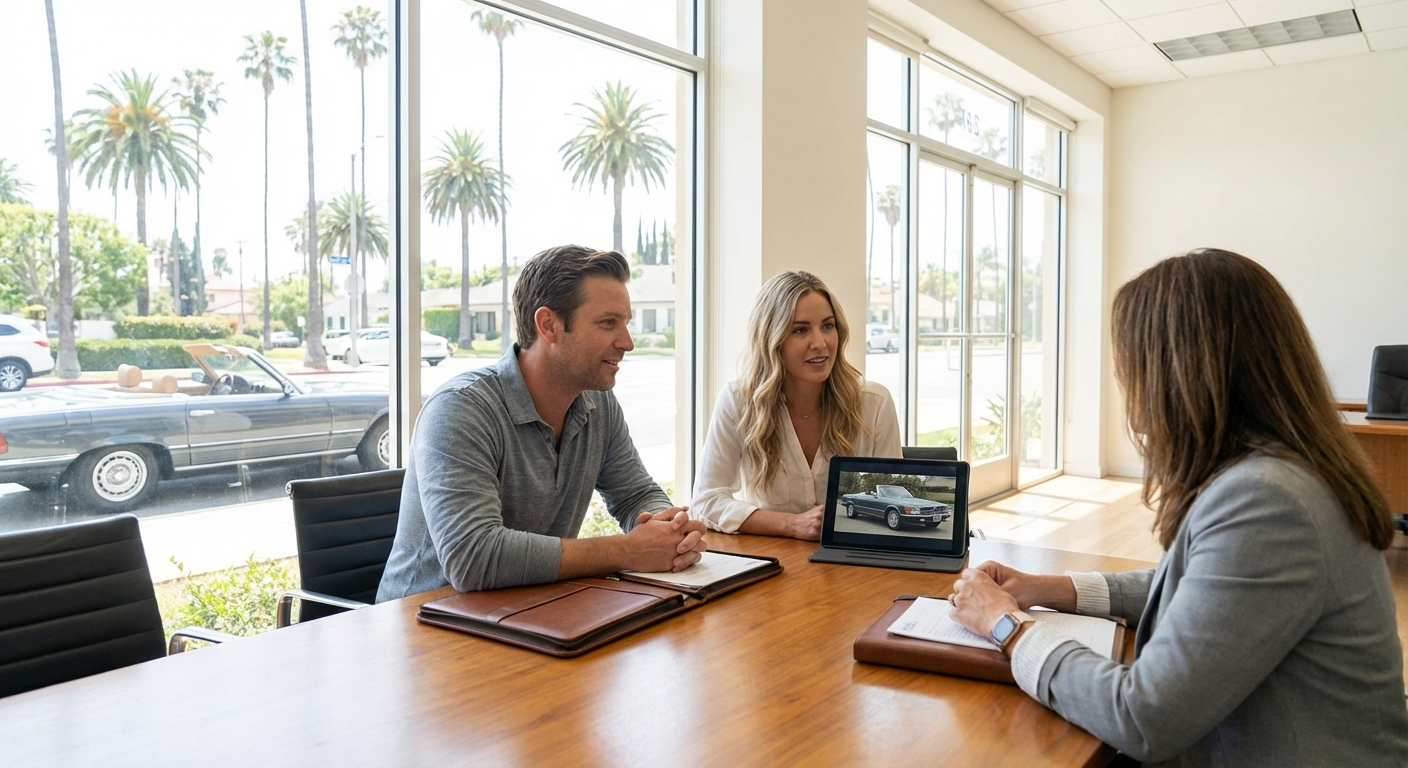
But wait — there’s a better way for classics. It’s called *Agreed Value* coverage. With an agreed value policy, you and the insurance company decide on the car’s value *before* you even buy the policy. This figure is based on appraisals, market research, and the car’s condition. If your car is then stolen or totaled, the insurer pays you that agreed-upon amount, no questions asked, no deductions for depreciation. That’s a huge difference. It means peace of mind, knowing your investment is truly protected.
The Unique Risks California Classic Car Owners Face
California, as beautiful as it is, throws some specific challenges at classic car owners. We’re no stranger to natural disasters here.
Think about the wildfires. Every year, we see devastating fires sweep through areas like the Santa Cruz Mountains, up near Napa Valley, or even threatening the fringes of the San Fernando Valley. While we hope it never happens, a major fire in 2025 could easily impact areas where many classics are stored. Then there are earthquakes — a constant, low-level hum of anxiety for anyone with valuable possessions. A good classic car policy needs to account for these very real, very California risks.
Beyond natural disasters, theft is always a concern. High-value, unique vehicles, especially those that turn heads, can be targets. Proper storage and security measures help, but having the right insurance to back you up if the unthinkable happens is essential.
And let’s be honest: California roads. From the potholes in Los Angeles to the sometimes-questionable road surfaces in rural areas, our infrastructure isn’t always kind to delicate vintage suspensions and tires. Accidents happen, even to the most careful drivers. And when they involve a classic, repairs can be specialized, expensive, and require hard-to-find parts.
Beyond Collision: Other Coverage Options You’ll Want
Insuring a classic isn’t just about covering collision or theft. There’s a whole suite of options designed specifically for these special vehicles.
* **Comprehensive Coverage:** This is your shield against everything *except* a collision. Think fire, theft, vandalism, falling objects, and those pesky California natural disasters we just talked about. This is non-negotiable for a classic.
* **Liability Coverage:** You still need this. If you accidentally ding another car or someone gets hurt while you’re out for a drive, liability protects your assets. It’s the law, and it’s smart.
* **Roadside Assistance:** Not just any tow truck will do for your vintage ride. You need flatbed towing, someone who understands how to carefully handle a classic without causing more damage. Many specialized policies offer this.
* **Spare Parts Coverage:** Many classic car owners collect spare parts for future repairs or restoration. Some policies let you insure these parts separately, often at a lower rate, especially if they’re stored securely.
* **Show and Tour Coverage:** If you take your car to events, parades, or tours, some policies can extend coverage to those specific activities, protecting it while it’s on display or participating in organized events.
Finding the Right Insurer in the Golden State
Trying to find specialized classic car coverage in California can feel like searching for a specific carburetor part — it’s out there, but you need to know where to look. Many of the big, household-name insurers you use for your daily driver – like Farmers or even Progressive – might offer *some* classic car options, but often they’re not truly specialized. They might not offer agreed value, or their mileage restrictions might be too rigid.
Here’s where it gets interesting. There are companies that *only* do classic car insurance. Names like Hagerty, Grundy, or American Collectors Insurance come to mind. These folks live and breathe vintage vehicles. They understand the nuances, the passion, and the specific needs of collectors.
But here’s the thing about California’s insurance market right now: it’s… tricky. Thanks to regulations like Prop 103 and the rising costs of everything from wildfire risks to auto repairs, some insurers have been pulling back from the state or raising rates significantly. Even the FAIR Plan, which helps homeowners in high-risk areas, is seeing changes. This means finding the right coverage, at a fair price, takes a little more effort and expertise than it used to.
Why an Independent Agent Can Be Your Best Friend
Honestly, in this environment, going it alone can be tough. That’s why an independent insurance agent, someone like Karl Susman at Los Angeles Car Insurance Quotes, can be incredibly valuable. They don’t work for one specific insurance company. Instead, they work for *you*.
Think of it this way: instead of calling three different companies yourself, explaining your classic car’s story over and over again, an independent agent does all that legwork. They have relationships with multiple insurers, including those specialized classic car carriers. They know the market, they understand the specific quirks of insuring a vintage vehicle in California, and they can compare policies and prices to find the best fit for your unique situation.
It’s about getting expert advice without the pressure of a single company trying to sell you their one product. Karl Susman and his team, with CA License #OB75129, have been helping Californians with their insurance needs for years. You can even call them at (877) 411-5200. They can cut through the confusion and help you protect that prized possession.
Common Questions About Insuring Your California Classic
Here are a few things people often ask about covering their vintage vehicles:
* **Can I drive my classic every day?**
Not usually, if you want specialized classic car insurance. These policies come with mileage restrictions, typically between 2,500 and 5,000 miles a year. They’re for pleasure drives, car shows, and club events, not your daily commute to the office in Orange County.
* **What if my car is heavily modified or a hot rod?**
Good news! Many specialized classic car insurers understand that not all classics are factory original. They offer policies specifically for modified vehicles, hot rods, customs, and even kit cars. You’ll definitely want an agreed value policy here, as the modifications often add significant value.
* **Do I need an appraisal to get coverage?**
Often, yes. For an agreed value policy, the insurer will want a professional appraisal to confirm the car’s worth. This protects both you and the company, ensuring everyone agrees on the value upfront. For lower-value classics, photos and a detailed description might be enough.
* **Is classic car insurance more expensive than regular car insurance?**
Surprisingly, not always! Because classic cars are driven less, stored more securely, and typically owned by more responsible drivers, their insurance premiums can sometimes be *lower* than a standard daily driver policy – even for a higher agreed value. Every car and driver is different, though.
* **What if I store my classic in a shared garage or a storage unit?**
This can get a little complicated. Insurers generally prefer a private, locked garage. If you use a shared garage or an off-site storage facility, the insurer might want details about its security measures, and it could affect your rates or even eligibility. Be upfront about storage.
Ready to see what specialized coverage could look like for your classic? It’s simpler than you think to get started.
Click here to get a classic car insurance quote for your California beauty today.
Protecting Your Passion Project
Your classic car is more than just metal and rubber. It’s a statement, a hobby, a connection to the past. And it deserves insurance that understands its true worth and the unique way you enjoy it. Don’t settle for a policy that leaves you underinsured or stressed about what might happen. That takes all the fun out of it.
Finding the right coverage means you can hit the road, attend those car shows, or just tinker in your garage with genuine peace of mind. You can focus on the joy of ownership, knowing that your investment – and your passion – is properly protected, no matter what California throws your way.
Get your classic car insurance quote now and drive with confidence.
—
*This article is for informational purposes only and does not constitute financial advice.*