The Hybrid Dream and California’s Insurance Reality
The Millers, a young family out in Irvine, were thrilled when they finally drove their new hybrid SUV off the lot. No more gas guzzler for their commutes up the 5 freeway. They pictured cleaner air, fewer trips to the pump, and, honestly, a nice little break on their auto insurance bill. Everyone talks about how hybrids are greener, right? Safer, even. Surely, that meant cheaper coverage.
They called their current insurer, expecting to hear good news. The agent on the other end gave them a quote. It wasn’t bad, exactly, but it wasn’t the significant discount they’d imagined. Mark Miller scratched his head. “Wait,” he asked, “don’t hybrids get special discounts?” The agent’s answer was a polite but firm, “Not always.”
This is a pretty common experience for California drivers. You buy a hybrid, thinking you’re doing right by the planet and your wallet, then you hit the insurance wall. The short answer is yes, hybrid car discounts exist. The real answer is more complicated, especially in a state like California where insurance rates have been climbing faster than a Tesla on launch mode.
Why Hybrids *Should* Get a Break (and sometimes do)
Let’s think about it logically. Hybrid cars generally boast better fuel economy, which often means less time on the road for the same amount of driving. Less time on the road, theoretically, means less exposure to accidents. Many hybrid owners also tend to be more environmentally conscious, which, some insurers believe, translates to more careful driving habits. Plus, these cars often come packed with advanced safety features – things like automatic emergency braking, lane-keeping assist, and adaptive cruise control. Insurers love those. They really do.
These safety systems aren’t just fancy gadgets; they actively help prevent collisions or lessen their impact. A car that brakes itself before you can react, or warns you about a blind spot, reduces claims. And fewer claims mean insurers pay out less money. That’s the theory, anyway. Some companies absolutely bake this into their pricing. They look at the overall claims data for specific hybrid models and see a pattern of lower losses. When that happens, you might just see that “green vehicle discount” pop up on your policy.
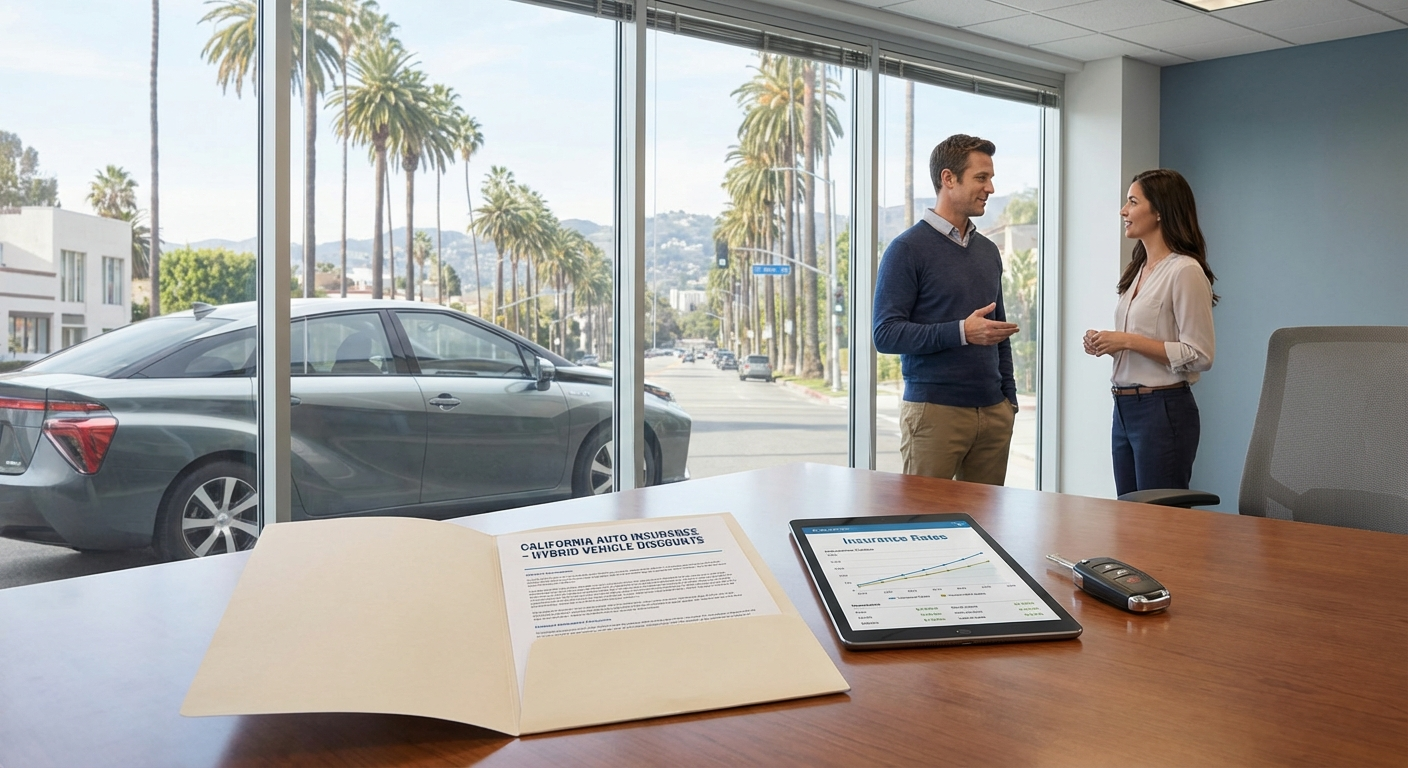
The California Twist: What Really Drives Your Rate Here
Here’s where it gets interesting. California isn’t like, say, Iowa or Ohio when it comes to car insurance. Our premiums are shaped by a unique blend of factors, some of which can overshadow any potential hybrid discount. For instance, think about where the Millers live in Irvine. It’s a busy area. Lots of cars, lots of traffic. Even if their hybrid is super safe, the sheer volume of vehicles on the road increases their risk exposure.
But wait — it’s not just traffic. Our geography plays a huge role. Living in the Inland Empire, you might face different risks than someone in Ventura County. The Valley sees its share of specific challenges. We’ve had a wave of catastrophic events, too. Remember the fires that ripped through parts of Sonoma and Napa counties? Or the more recent ones near Malibu? These aren’t just property insurance events. They increase overall risk for insurers operating in the state. And the rising cost of car repairs? That’s another big one. A fender bender on a hybrid can sometimes cost more to fix than on a conventional car because of all the specialized tech under the hood. The battery, the electric motor — these aren’t cheap parts.
Prop 103, passed way back in 1988, also dictates a lot about how insurance companies can set rates here. It prioritizes a driver’s record, miles driven, and years of driving experience over almost everything else. This means your personal habits behind the wheel often outweigh the type of car you drive when it comes to calculating your premium. That’s a big difference from some other states, which might lean more heavily on credit scores or other demographic data.
Unpacking the Discount Maze: What Insurers Actually Do
So, how do different companies approach this? It really varies. State Farm might have a specific discount code for “eco-friendly” vehicles. AAA often looks at the overall safety ratings and claims history of a model, which might indirectly benefit many hybrids. Farmers might offer a discount if your hybrid comes with certain advanced driver-assistance systems (ADAS).
But then you have the reality that some insurers don’t offer a specific “hybrid discount” at all. Instead, they might factor in the safety features of your specific hybrid model into their overall risk assessment. That means you get a lower rate, but it’s not called a “hybrid discount.” It’s just built into the base price for that particular car. Other times, the type of hybrid matters. A plug-in hybrid with a larger battery and more complex systems might be priced differently than a mild hybrid with a smaller electric assist.
Which brings up something most people miss. Your driving record, your age, where you park your car, even the annual mileage you put on it — these are still huge. A perfect driving record will get you a better deal than a hybrid discount ever could, even if you drive a gas-guzzling pickup. Conversely, if you’ve had a few dings or speeding tickets, that hybrid discount might barely make a dent in your overall premium. The Millers, for example, had a few minor incidents on their record from years ago. Those stayed with them.
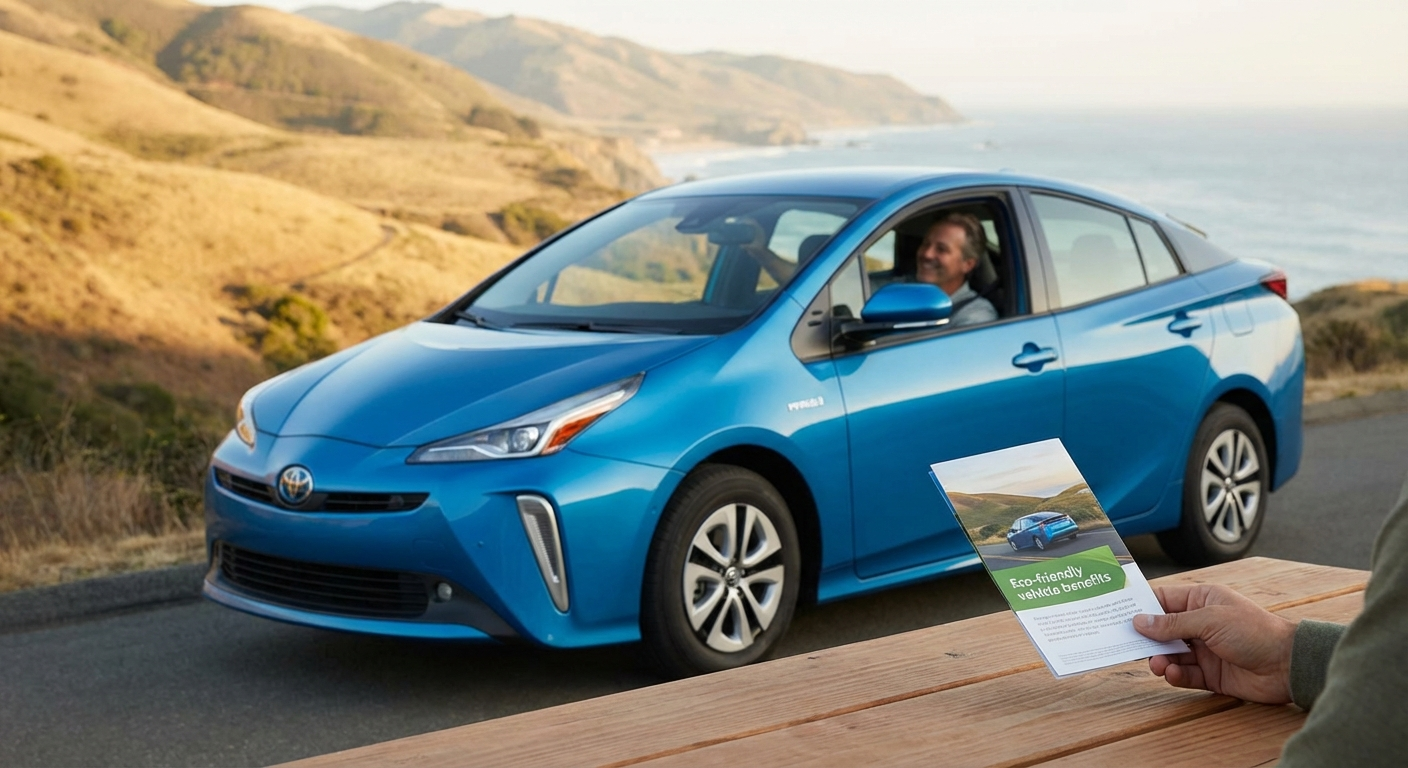
Finding the Real Savings: Beyond Just the Hybrid
Okay, so your hybrid might not guarantee a massive discount. What else can you do? Plenty. Many insurers offer multi-policy discounts if you bundle your auto and home insurance. If you’re a homeowner in, say, Santa Clarita, and you’ve got your house insured with the same company, that’s almost always a win. Good student discounts are a thing for younger drivers. Low mileage discounts, defensive driving course discounts, anti-theft device discounts — the list goes on.
A lot of it comes down to asking the right questions. Don’t just accept the first quote. Make sure your agent knows every single safety feature on your hybrid. Did you install an aftermarket alarm? Tell them. Do you drive less than 7,500 miles a year? That’s important.
Honestly, the best way to uncover every possible saving is to work with someone who lives and breathes California insurance. Someone like Karl Susman at Los Angeles Car Insurance Quotes. He’s seen it all, from the wildfires impacting rates in the hills to the everyday traffic woes of downtown LA. Karl knows the ins and outs of what different carriers will offer and how to best position your specific situation to get the most favorable rate. His agency, CA License #OB75129, has helped countless Californians figure out this maze. You can reach him and his team at (877) 411-5200.
It’s not just about finding *a* discount; it’s about finding the *right combination* of discounts and the *right insurer* for your specific hybrid and driving profile. Some insurers simply have better rates for certain types of vehicles or demographics. A local expert will know which ones to check first.
Ready to see what you could save? Get a personalized quote today and find out. Click here to get a quote!
Frequently Asked Questions About Hybrid Car Insurance in California
Does owning a hybrid car automatically mean lower insurance rates in California?
Not automatically. While some insurers offer specific “green vehicle” discounts, many factor the safety and repair costs of your specific hybrid model into its base rate. Your driving record, location, and other factors often play a bigger role in your final premium.
What kind of safety features in hybrids might help lower my premium?
Advanced Driver-Assistance Systems (ADAS) like automatic emergency braking, lane-keeping assist, adaptive cruise control, and blind-spot monitoring are big ones. These features can reduce the likelihood or severity of accidents, which insurers like.
Are plug-in hybrids insured differently than standard hybrids?
Sometimes. Plug-in hybrids often have larger, more complex battery systems and sometimes higher repair costs. This can influence how an insurer prices the policy compared to a mild hybrid or a standard hybrid. It really depends on the specific vehicle and the insurer.
Can my driving habits affect my hybrid car insurance discount?
Absolutely. In California, your driving record, annual mileage, and years of driving experience are primary factors in determining your premium under Prop 103. A clean driving record and low mileage can significantly reduce your rate, potentially amplifying any hybrid-specific savings.
How can I find out if I qualify for hybrid discounts or other savings?
The best way is to speak with an experienced insurance agent. They can compare quotes from multiple carriers and help identify all potential discounts you might qualify for, not just those related to your hybrid. For personalized advice, consider reaching out to Karl Susman at Los Angeles Car Insurance Quotes.
Finding the right insurance for your hybrid in California means looking beyond just the vehicle type. It’s about understanding the whole picture, from your driving history to the specifics of your car and, honestly, knowing which questions to ask.
Don’t leave money on the table. Get a fast, free quote now!
***
This article is for informational purposes only and does not constitute financial advice.