
Is Car Insurance Roadside Assistance Just for Total Breakdowns? Think Again, California Driver.
Many people picture roadside assistance as that last-ditch call when your engine’s smoking on the side of the 5 Freeway, somewhere hot out near the Grapevine. And sure, it’s absolutely there for those big, scary moments. But here’s the thing: most folks underestimate just how handy — and frankly, how affordable — this little add-on to your California car insurance policy can be. It’s not just for mechanical failures. Not always.
Think about the smaller, more common frustrations that can turn a good day bad. A flat tire on a busy street in Santa Monica? A dead battery in your driveway just when you’re late for work? Locking your keys in the car outside a grocery store in the Inland Empire? These aren’t catastrophic events, but they’re incredibly disruptive. And they’re exactly what roadside assistance is for.
Myth: Roadside Assistance Only Kicks In For Major Engine Trouble.
The short answer is yes, it covers engine trouble. The real answer is more complicated, and far more useful. Your policy’s roadside assistance typically steps in for a whole range of common annoyances.
For instance, a flat tire. It happens. You might hit a pothole on a crumbling L.A. street, or pick up a nail cruising through a construction zone. Changing a tire yourself can be a dirty, even dangerous job, especially if you’re on the shoulder of a freeway with traffic whizzing by. One call, and help’s on the way to swap it out for your spare. If you don’t have a spare, or if the tire’s shredded, they’ll tow you to a shop.
What about that battery that just won’t crank? It’s a classic. Especially in the wild temperature swings we get here in California, from the cool coast to the scorching Valley. A quick jump-start can get you going again. No need to flag down a stranger or wrestle with jumper cables yourself.
Ever locked your keys in the car? Don’t pretend you haven’t. It’s a moment of pure panic, followed by a sinking feeling. Many roadside plans include locksmith services to get you back inside without smashing a window.
And then there’s the dreaded empty gas tank. You swear you can make it to the next exit, but sometimes you just don’t. Roadside assistance will bring you enough fuel to get to the nearest gas station. It’s a small detail that saves you a long, embarrassing walk.
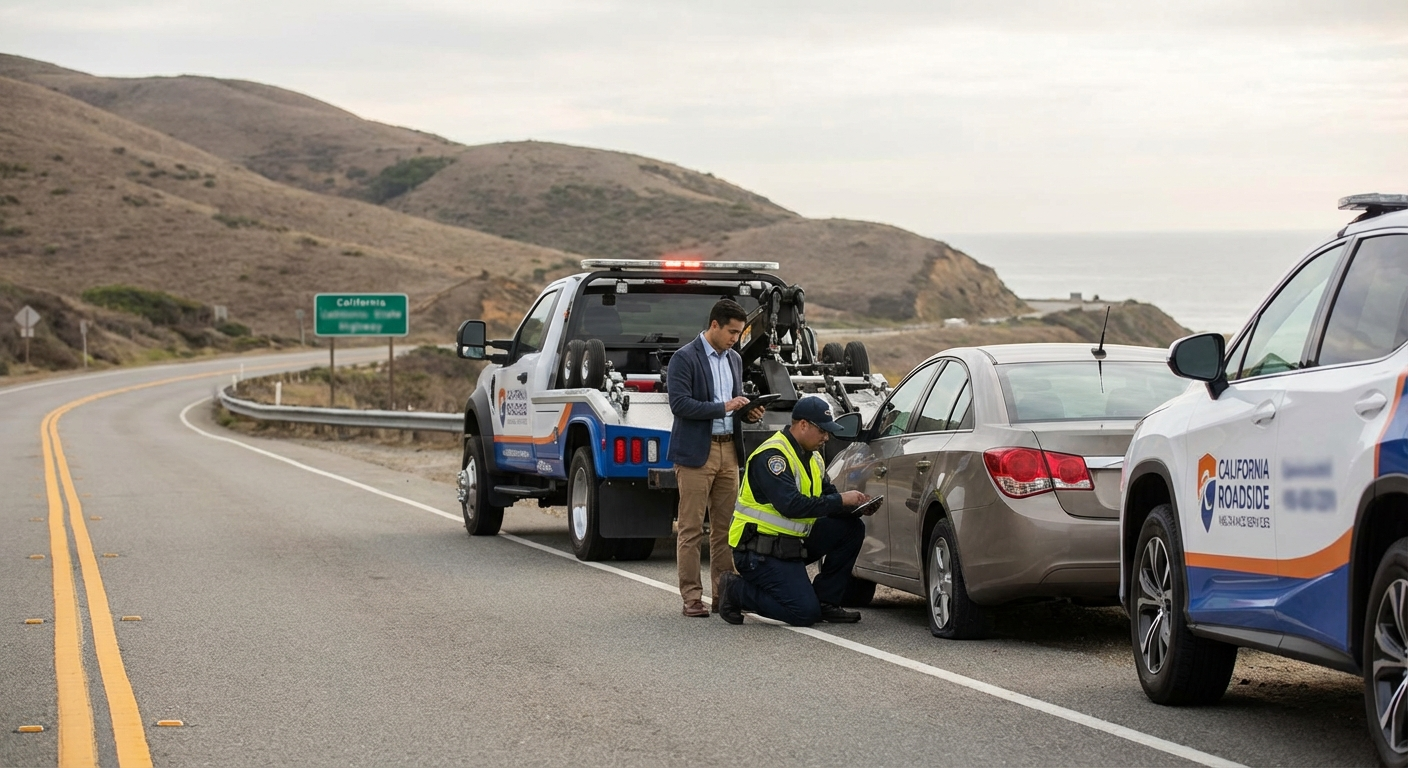
Myth: I Already Have AAA or My Manufacturer’s Warranty, So I’m All Set.
This is a common thought, and it’s certainly true that AAA provides excellent service, and many new cars come with roadside assistance for a few years. But here’s where it gets interesting. Relying solely on these options might not always be the best play.
First, manufacturer warranties expire. Usually after three to five years, or a certain mileage. If you’ve got an older car, that coverage is long gone.
AAA is a membership. You pay an annual fee for it. For many drivers, adding roadside assistance to their existing car insurance policy can be significantly cheaper than a separate AAA membership. Sometimes, it’s just a few extra dollars a month on your premium. Compare that to the yearly cost of a AAA membership. Big difference.
Some folks even have both. Why? Because sometimes, having a backup can be smart. Maybe one service is faster in a particular area, or one has better towing limits. It’s not about being redundant; it’s about having options when you’re stuck.
Myth: Adding Roadside Assistance Will Jack Up My Insurance Premium.
Honestly, this is one of the biggest misconceptions. People think every add-on sends their rates through the roof. But for roadside assistance, that’s rarely the case. It’s typically one of the most affordable coverages you can add to your policy. We’re often talking about pennies a day, or just a few dollars a month.
Think about the cost of a private tow. If your car breaks down on Highway 101 near Ventura and you need a tow all the way back to a mechanic in the San Fernando Valley, that could easily run you hundreds of dollars out of pocket. A single tow can cost more than years of roadside assistance premiums. It’s a classic insurance trade-off: a small, predictable cost for protection against a much larger, unpredictable one.
Which brings up something most people miss. Using your roadside assistance for a jump-start or a flat tire usually *doesn’t* count against you like an at-fault accident claim would. It’s considered a service, not a claim that impacts your driving record or future premiums in the same way. This means you can use it without worrying about your rates jumping next year.
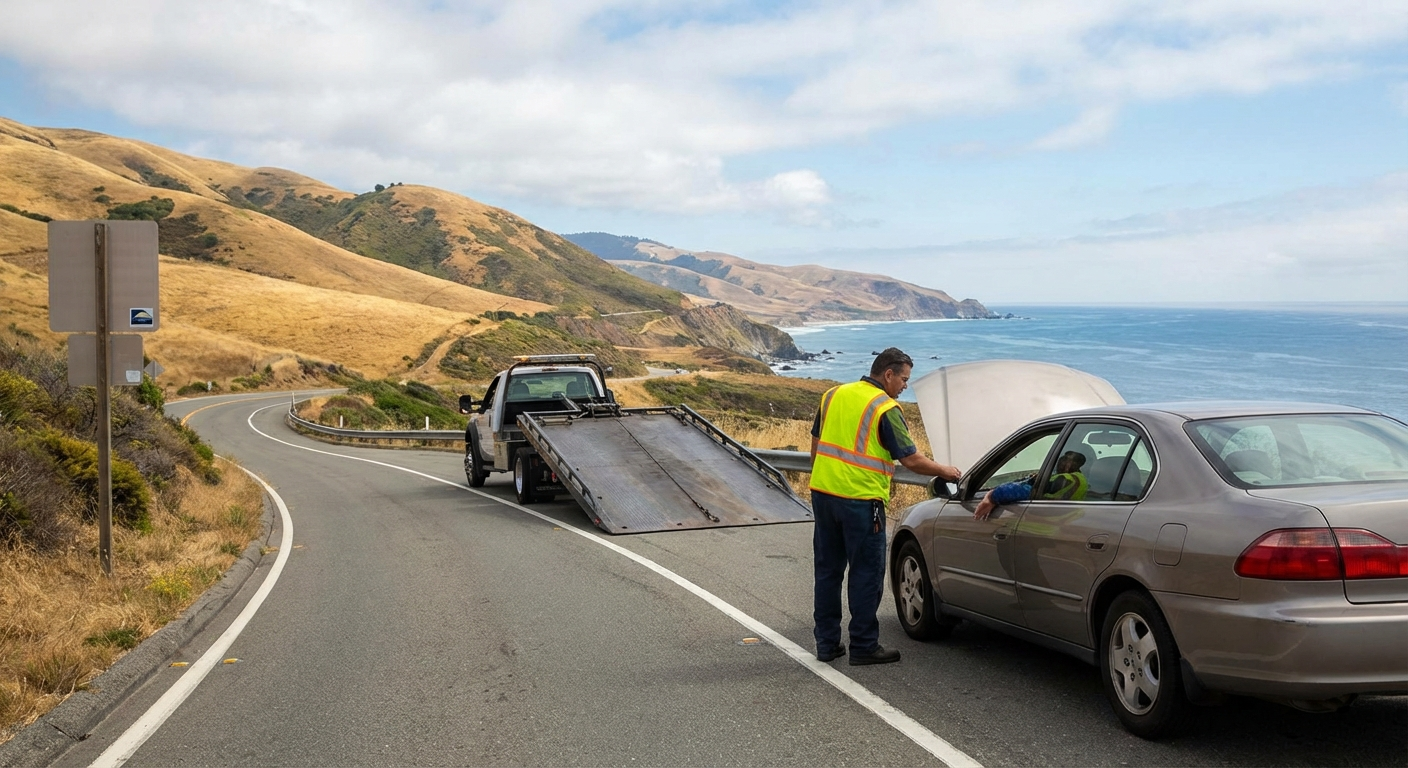
Myth: All Roadside Assistance Plans Are Exactly Alike.
Not true. Just like car insurance policies themselves, roadside assistance plans offered by different carriers — like State Farm, Farmers, or others — can vary quite a bit.
The biggest difference often comes down to towing mileage. Some plans might only cover a tow for 10 or 15 miles. That’s fine if you break down right next to a mechanic. But if you’re stranded out in the Mojave Desert or up in the Sierra Nevada foothills, 15 miles won’t get you far. Other plans offer 50, 100, or even unlimited miles for towing. This is a huge factor for California drivers, given our vast distances and sometimes remote locations.
Also, look at the number of service calls allowed per year. Some plans might limit you to three or four incidents annually. Others are more generous.
It’s really worth taking a moment to understand the specifics of what you’re buying. Don’t just tick the box. Ask your agent what the limits are.
Myth: My Credit Card Offers Roadside Assistance, So I’m Good.
Many premium credit cards boast roadside assistance as a perk. That sounds fantastic on paper. But often, the reality is less convenient.
These credit card benefits are frequently reimbursement-based. That means you pay for the tow or service upfront, then submit a claim to your credit card company to get your money back. That’s a hassle. And it might take weeks to see that money again.
Also, the coverage limits can be much lower than a dedicated insurance policy add-on. They might only cover a small portion of the cost, or have very strict rules about what services qualify. When you’re stranded, you want immediate, direct help, not a complex reimbursement process.
California’s Unique Roadside Realities
Living in California means dealing with unique driving conditions. Our freeways are some of the busiest in the world. Breaking down on the 405 during rush hour isn’t just an inconvenience; it can be genuinely dangerous. Knowing help is a phone call away provides a genuine sense of security.
We’ve got huge stretches of open road, like the I-5 through the Central Valley, where services are few and far between. Or the mountain passes, where weather can change in an instant. A dead battery in the summer heat of Bakersfield, or a flat tire on a rainy night in the Santa Cruz mountains – these are real scenarios that roadside assistance handles.
For those who regularly drive long distances, or even just commute daily across big metro areas like Los Angeles or the Bay Area, having this coverage is simply smart. It’s not just about saving money on a tow; it’s about saving time, stress, and potentially staying safe.
If you’re wondering about adding roadside assistance to your California car insurance, or want to compare what different insurers offer, it’s a good idea to chat with an expert. Someone like Karl Susman at Los Angeles Car Insurance Quotes, CA License #0B75129, can walk you through the options and help you find a plan that fits your driving habits and budget.
Ready to see how affordable peace of mind can be? Get your California car insurance quote today: https://losangelescarinsurancequotes.com/quote/
Frequently Asked Questions About California Car Insurance Roadside Assistance
Q: Will using my roadside assistance raise my insurance rates?
A: Generally, no. Most insurance companies view roadside assistance as a service, not a claim that impacts your driving record. Using it for a jump-start or a tow typically won’t cause your premiums to go up, unlike an at-fault accident or a comprehensive claim.
Q: How far will roadside assistance tow my car?
A: This is one of the biggest differences between policies. Some plans might only cover a tow for 10-15 miles, while others offer 50, 100, or even unlimited miles. You’ll want to check your specific policy details or ask your agent about the towing limits.
Q: What if I run out of gas in a remote area?
A: Most roadside assistance plans include fuel delivery. They’ll bring you enough gas to get your vehicle to the nearest gas station. This is especially helpful in California’s vast rural areas where gas stations can be few and far between.
Q: Can I get roadside assistance for a specific incident, even if I don’t have it on my policy?
A: Some providers offer “on-demand” roadside assistance for a one-time fee, but it’s usually more expensive than having it as part of your insurance policy. Plus, you might experience longer wait times, and not all services may be available. It’s usually better to have it in place beforehand.
Q: Is there a limit to how many times I can use roadside assistance in a year?
A: Yes, many policies have a limit on the number of service calls you can make in a policy period, often three or four incidents per year. Always check your specific policy documents to understand these limits.
Ready to see how affordable peace of mind can be? Get your California car insurance quote today: https://losangelescarinsurancequotes.com/quote/
This article is for informational purposes only and does not constitute financial advice.