Why Teen Driver Insurance Costs So Much in California
Parents across California face a unique kind of sticker shock when their teenager gets a driver’s license. That first car insurance quote? It can feel like a punch to the gut. We’re talking about rates that often dwarf what an experienced adult pays. Why the massive price tag?
It boils down to risk. Insurers look at data, and that data tells a clear story: young, inexperienced drivers get into more accidents. They’re statistically more likely to speed, drive distracted, and misjudge situations on the road. This isn’t just about California, of course. It’s a national trend. But here in the Golden State, a few extra layers make things even more expensive.
For one, California’s sheer population density means more cars on the road, especially in places like the Inland Empire, Orange County, or the sprawling San Fernando Valley. More cars mean more chances for fender benders. Add to that the state’s high cost of living, which translates to higher repair costs, higher medical bills, and ultimately, higher insurance payouts. Insurance companies factor all of this into their rates. It’s simple math for them, even if it feels anything but simple for your wallet.
The Real Factors Driving Up Your Teen’s Premium
Age is the biggest factor, sure. But it’s not the only one. Several other elements play a significant role in how much you’ll pay.
- The Car Itself: What kind of car is your teen driving? A brand-new sports car? Expect to pay a fortune. A used, reliable sedan with good safety ratings? Much better. Insurers look at the car’s make, model, year, safety features, and even how expensive it is to repair or replace. A Honda Civic is usually cheaper to insure than a BMW 3 Series, even if both are a few years old.
- Your Location: Where you live in California matters a lot. Someone in a quiet Ventura County suburb will likely pay less than someone in a bustling urban area of Los Angeles or San Francisco. High-crime areas, places with more traffic accidents, or even areas prone to natural disasters like the 2025 hypothetical LA fires can see higher rates.
- Driving Record (or Lack Thereof): For a new teen driver, there’s no record yet. This is a double-edged sword. No tickets or accidents is good, but no experience means higher risk. Once they start driving, every ticket, every minor fender bender, will push those rates up. And California’s points system means even a single moving violation can have a lasting impact.
- Coverage Levels: Are you opting for just the state minimum liability? Or are you getting full coverage with collision and comprehensive? More coverage means more protection, but it also means a higher premium. Most parents opt for more than the minimum for their teen’s first car, and for good reason.
- Your Own Driving History: The teen’s policy is usually tied to yours, so your clean record can help. But if you’ve got a few dings on your own record, those higher base rates will influence the teen’s premium too.
Smart Strategies to Lower Teen Driver Rates
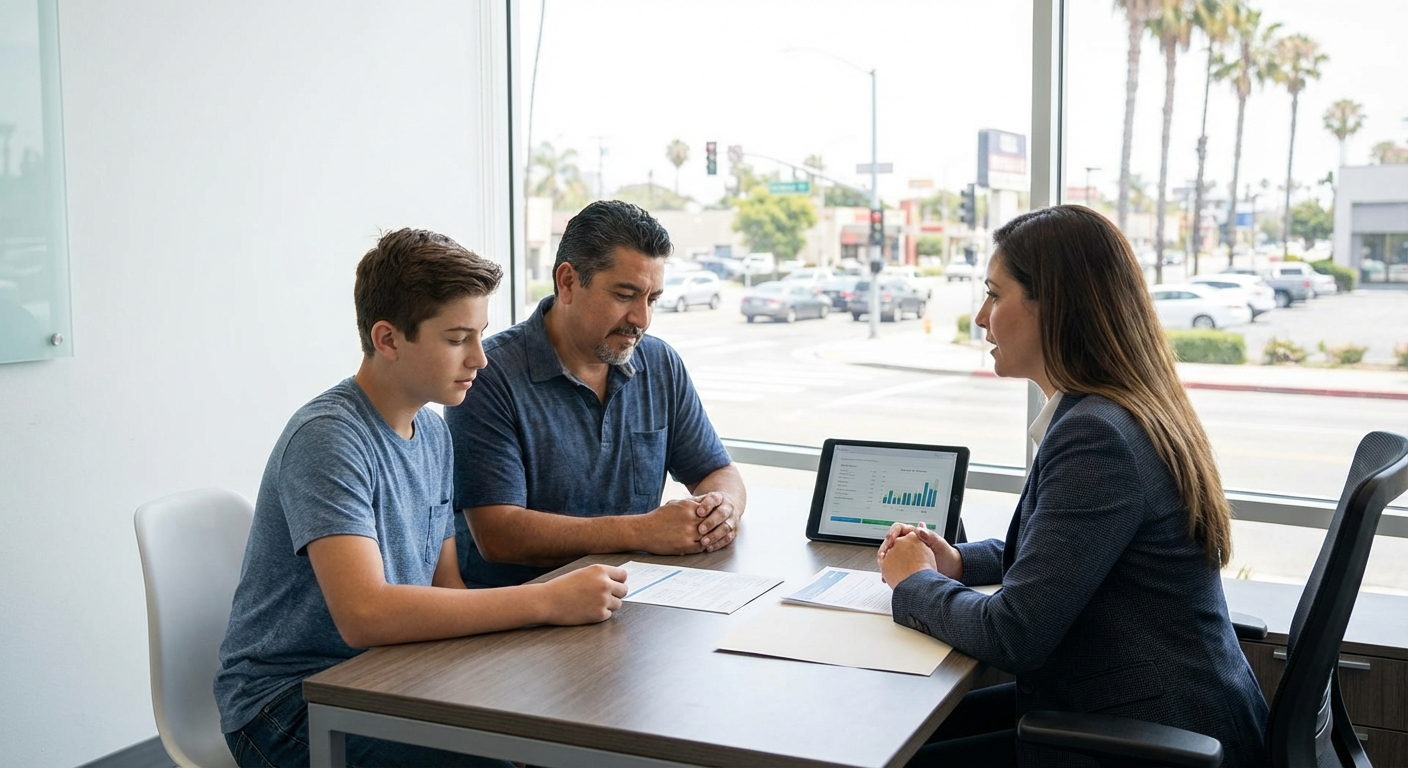
The good news? You’re not entirely powerless. There are definitely ways to chip away at those high premiums. It takes a bit of planning, but the savings can be substantial.
Good Student Discounts: Brains Pay Off
This is one of the easiest wins. Many insurance companies offer a discount for students who maintain a B average or better—usually a 3.0 GPA. It’s a win-win: good grades are good for their future, and they save you money now. All you typically need is a transcript to prove it. This discount acknowledges that responsible students are often more responsible drivers. It just makes sense.
Driver Training Programs: More Than Just a Permit
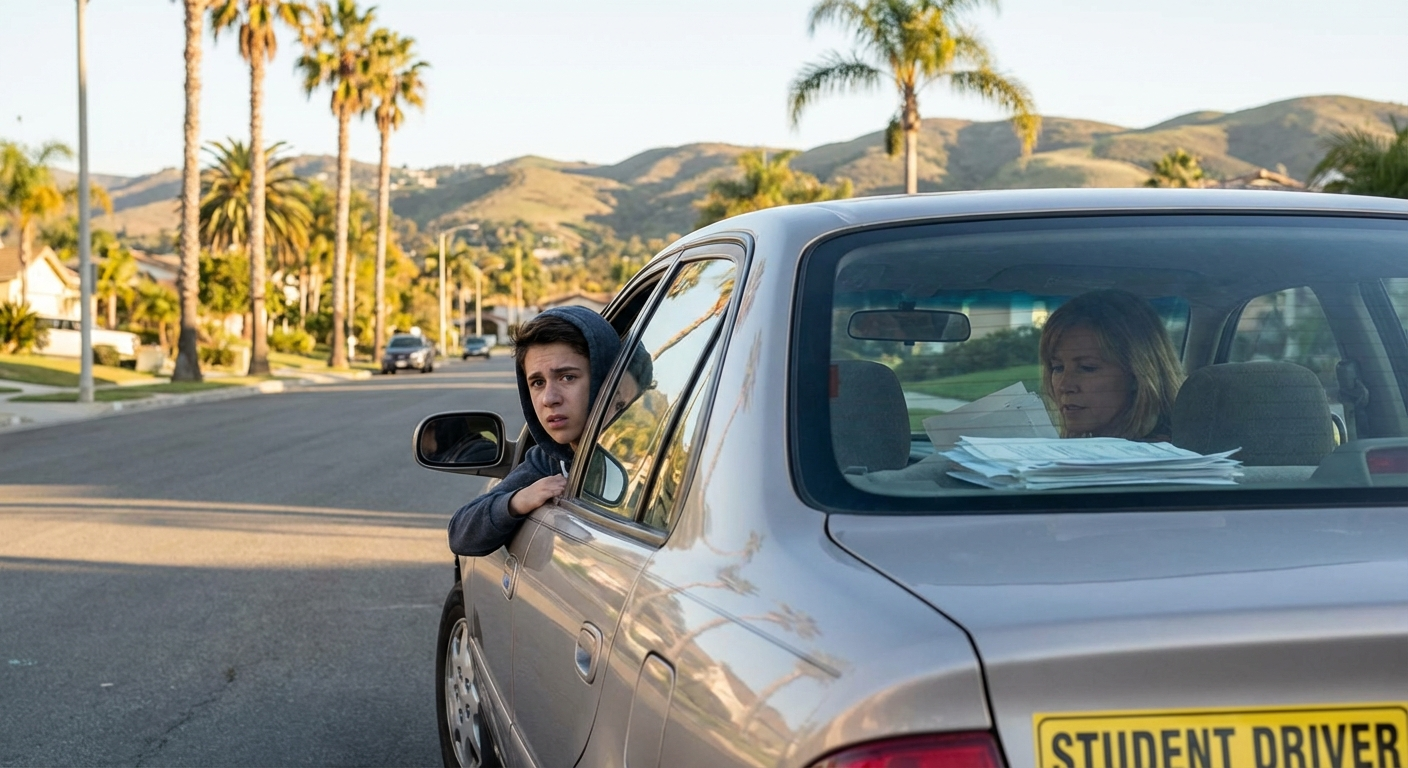
California’s graduated driver licensing (GDL) program already requires specific training hours. But here’s where it gets interesting. Beyond the basics, many insurers offer discounts for completing approved defensive driving courses or advanced driver education programs. These aren’t just about passing the DMV test; they teach real-world hazard perception and accident avoidance. Ask your agent, like Karl Susman of Los Angeles Car Insurance Quotes (CA License #OB75129), about which courses qualify.
Choosing the Right Vehicle: Practicality Over Flash
We touched on this, but it bears repeating. Resist the urge to buy your teen a flashy new car. A used, safe, and reliable vehicle is almost always the smarter choice. Think sedans, small SUVs, or even minivans. These cars tend to have lower repair costs, are less likely to be stolen, and often come with better safety ratings, all of which translate to lower insurance premiums. Plus, they’re generally less tempting for a young driver to “test the limits” with.
Higher Deductibles: Taking on More Risk
This one’s a bit of a gamble, but it can save you a chunk of change. A deductible is the amount you pay out of pocket before your insurance kicks in for a claim. If you raise your deductible from, say, $500 to $1,000, your monthly premium will go down. The trade-off? If your teen does get into an accident, you’ll pay more upfront. It’s a decision that requires weighing your budget against your comfort with risk. For some families, it’s a perfectly sensible way to manage costs.
Bundling Policies: All in One Place
Most insurance companies offer discounts if you bundle multiple policies with them. That means having your home insurance, renters insurance, and auto insurance all under one roof. It’s a common strategy for adults, and it absolutely applies when adding a teen driver. Companies like State Farm, AAA, and Farmers all encourage bundling. It simplifies your paperwork, too. Always ask about multi-policy discounts when you’re getting quotes.
Telematics and Usage-Based Insurance: Drive Smart, Save Money
Some insurers offer programs where a small device plugs into your car’s diagnostic port or an app tracks driving habits. These “telematics” programs monitor things like speed, hard braking, and mileage. If your teen drives safely, you can earn a discount. It’s a great way to encourage good habits and prove to the insurer that your teen isn’t a high-risk driver. Not every company offers these, and some parents worry about privacy, but it’s an option worth exploring for potential savings.
Adding to an Existing Policy: Usually the Smartest Move
Don’t even think about getting a separate policy for your teen. It’s almost always more expensive. The best approach is to add your teen to your existing family policy. This way, they benefit from your established driving history, any multi-car discounts you might have, and generally lower rates than they’d get on their own. Insurers prefer to see experienced drivers on the policy, which helps offset the risk of the new teen driver.
California Specifics: What You Need to Know
California has its own quirks when it comes to insurance. Proposition 103, for example, gives the state’s Insurance Commissioner the power to approve or reject rate changes. This can sometimes slow down rate increases, but it doesn’t stop them entirely. We’ve seen premiums jump across the state, with some areas experiencing 40% increases between 2022 and 2024, partly due to rising repair costs and wildfire risks impacting the overall market.
Also, remember the California FAIR Plan, which is usually associated with property insurance for high-risk areas. While it doesn’t directly apply to auto insurance, the general trend of insurers pulling back from high-risk regions or raising rates due to climate events (like those potential future fires) can indirectly influence the overall insurance market. Less competition often means higher prices for everyone, including teen drivers.
The Value of an Independent Agent
Trying to sort through all these options and find the best rates for your teen can feel like a part-time job. That’s where an independent insurance agent becomes invaluable. Unlike agents who work for just one company, independent agents like Karl Susman work with multiple insurers. They can shop around for you, comparing quotes from various companies to find the best coverage at the most competitive price. They know the California market inside and out.
They understand the nuances of different policies and can help you identify all available discounts. Karl Susman, with Los Angeles Car Insurance Quotes (CA License #OB75129), and his team are experts in finding the right fit for California families. They can explain the fine print, answer your questions, and guide you through the process, saving you time and money. Don’t go it alone. Give them a call at (877) 411-5200.
Ready to see how much you could save? Get a personalized quote for your California teen driver today: Get Your Quote Now
Frequently Asked Questions About Teen Driver Insurance in California
Q: Can my teen get their own insurance policy?
A: Yes, they technically can. But here’s the thing. It’s almost always significantly more expensive than adding them to an existing family policy. Insurers see a young, new driver on their own as a much higher risk, leading to sky-high premiums. Stick with adding them to your policy if at all possible.
Q: How long will my teen’s insurance rates be so high?
A: Rates typically start to decrease around age 25, assuming a clean driving record. The biggest drops usually happen between ages 18-20 and then again around 25. Every year of safe driving helps build a positive history, which insurers reward with lower premiums.
Q: Does the type of car my teen drives really make a big difference?
A: Absolutely. This is one of the biggest factors you control. A high-performance car or a brand-new luxury vehicle will cost a fortune to insure for a teen. A safe, older sedan with good crash test ratings will be much more affordable. Think about repair costs, theft rates, and safety features.
Q: What if my teen gets a ticket or gets into an accident?
A: Expect your rates to go up. Even a minor moving violation or a small fender bender can impact premiums for several years. California’s points system means tickets stay on their record, and insurers will factor that in. The best advice? Drive carefully. It’s the most effective way to keep costs down long-term.
Ready to explore your options and get a tailored quote for your teen driver? Click here: Start Your Quote Today
This article is for informational purposes only and does not constitute financial advice.