
Why Does Leasing a Car in California Mean Different Insurance Rules?
You’ve found the perfect car. Maybe it’s a sleek new electric sedan, or a family-friendly SUV ideal for weekend trips up to Big Bear. You’re ready to sign the lease papers, and then the dealership hits you with it: “You’ll need specific insurance coverage for this.” Many people scratch their heads at this point. Isn’t car insurance just car insurance? The short answer is yes. The real answer, especially when it comes to leasing in California, is a lot more complicated.
Most folks think their standard liability and collision policy will cover a leased car just fine. Not always. When you lease a car, you don’t actually own it. The leasing company — often a bank or the manufacturer’s financial arm — does. They’re letting you use their expensive asset, and they want to protect it. That’s not greed; it’s just smart business. They’re on the hook if something goes wrong, not you, at least not entirely.
This means your lessor will have non-negotiable insurance requirements. They’ll tell you exactly how much liability coverage they expect, and they’ll demand specific physical damage coverage. Ignore these requirements, and you won’t be driving that new car off the lot.
The Real Story Behind Lessor Insurance Minimums
So, what kind of coverage are we talking about? Every leasing company is a little different, but they all share a common goal: protecting their investment. You’ll almost always see demands for higher liability limits than California’s state minimums. California’s bare minimums are pretty low, honestly – just $15,000 for injury/death to one person, $30,000 for injury/death to more than one person, and $5,000 for property damage. That’s a 15/30/5 policy. If you cause a serious accident on the 405 freeway, those limits disappear faster than a free parking spot in Santa Monica.
Leasing companies know this. They’ve seen the repair bills, the medical costs, the lawsuits. So, they typically require much higher limits, often something like 100/300/50 or even 250/500/100. That means $100,000 for one person’s injuries, $300,000 for multiple people, and $50,000 for property damage. It’s a big jump, and it translates to a higher premium. But it also protects you better, which is a nice bonus.
Then there’s the physical damage coverage: collision and comprehensive. This is what pays to fix or replace the actual car if it’s damaged or stolen. Leasing companies mandate both, and they’ll often specify a low deductible, usually $500 or even $250. A lower deductible means you pay less out-of-pocket if you make a claim, but it makes your monthly premium a bit higher. It’s a trade-off.
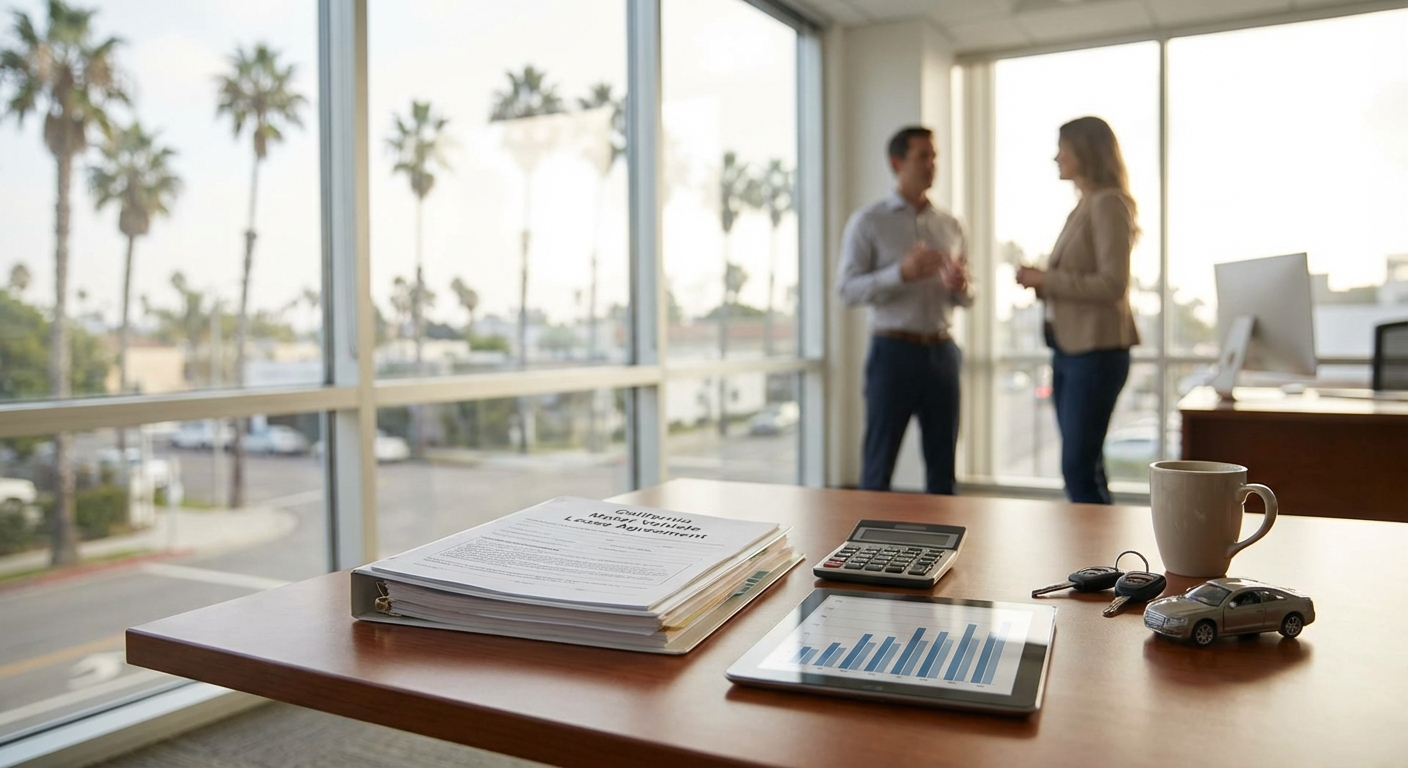
GAP Insurance: The Lease Requirement Everyone Forgets (Until They Need It)
Here’s where it gets interesting. Many people think collision and comprehensive cover everything. That’s not the whole story, especially with a lease. Enter GAP insurance. It stands for Guaranteed Asset Protection, and if you lease a car, you almost certainly need it.
Think about how cars lose value. The moment you drive a new car off the lot, it starts depreciating. Fast. If you total a brand-new leased car a year into your agreement, your standard collision policy will pay out its actual cash value at that time. But the amount you still owe the leasing company might be significantly more than the car’s current market value. That difference? That’s the “gap.”
Let’s say your leased car is worth $30,000 when it’s totaled, but you still owe the lessor $35,000. Your collision policy pays the $30,000. You’re still on the hook for that remaining $5,000. That’s a nasty surprise. GAP insurance covers that difference, saving you from a potentially huge out-of-pocket expense. Most leasing companies require it, and honestly, it’s smart to have it anyway. You can often buy it through the dealership, but you can also get it from your insurance company, sometimes for a better price.
Can You Shop Around for Lease Insurance? (Yes, You Absolutely Should)
A common misconception is that you have to take the insurance offered by the dealership, or that your current insurer can’t handle a lease. That’s simply not true. You have every right to shop around and find the best rates for the coverage your lessor requires. In fact, you should.
California’s insurance market has been a bit wild lately. Premiums jumped 40% between 2022 and 2024 for many drivers. Finding an agent who knows the local market, from Ventura County to the Inland Empire, can make a real difference. Insurers like State Farm, AAA, and Farmers all offer policies that meet lease requirements, but their prices can vary wildly depending on your driving record, where you live, and even the specific car you’re leasing.
Prop 103, passed way back in 1988, gives the state’s insurance commissioner the power to approve or reject rate hikes, which is supposed to keep things fair. But even with that, rates are climbing. Wildfire risk in areas near the foothills, even places like the Valley, impacts everyone’s premiums because it affects the overall cost of doing business for insurers in the state. That’s why working with an independent agent is so important.
An independent agent, like Karl Susman at Los Angeles Car Insurance Quotes, doesn’t work for one company. They work for you. They can compare quotes from multiple insurers to make sure you’re getting the required coverage without overpaying. Karl Susman, CA License #0B75129, can be reached at (877) 411-5200. He and his team deal with these lease requirements every day.
Ready to see what your options are? Click here for a personalized quote: Get Your Lease Car Insurance Quote
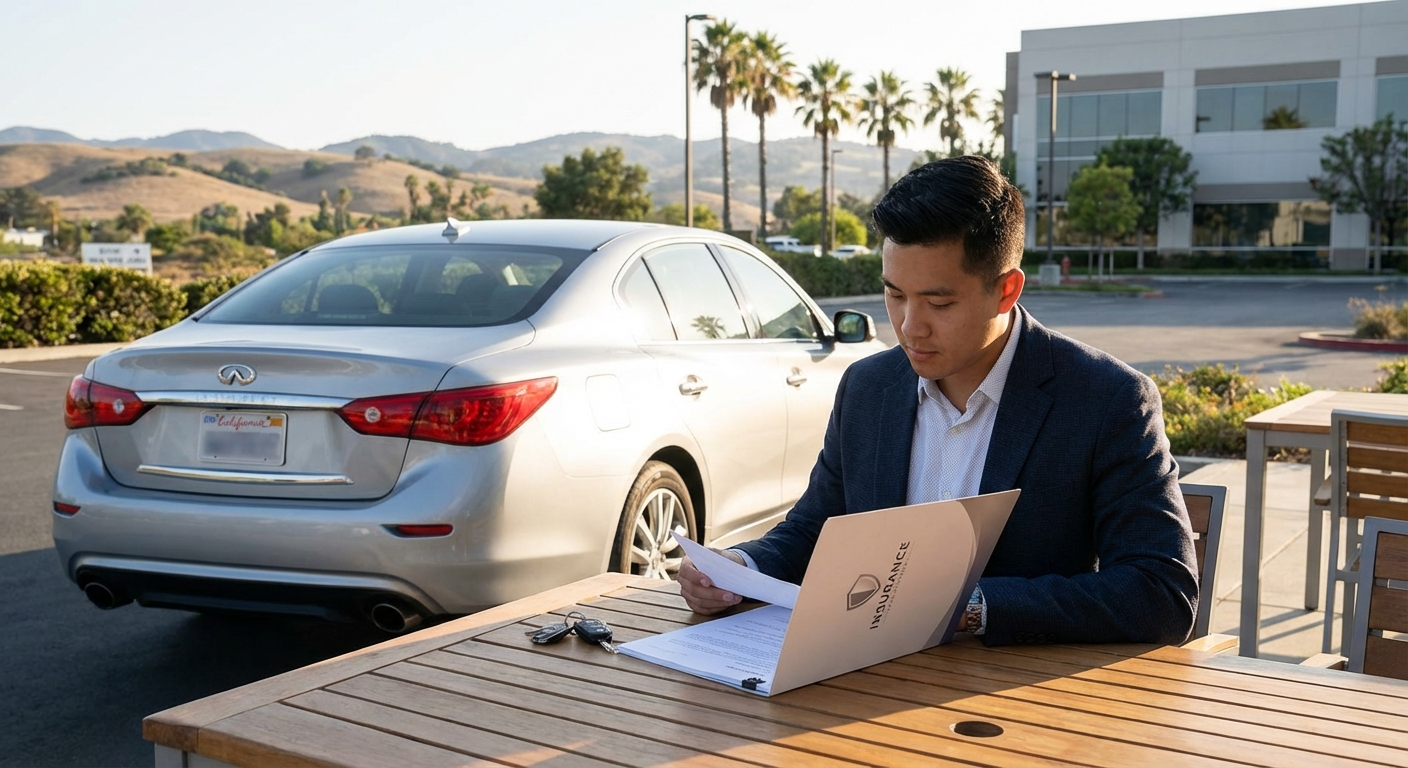
What Happens If You Don’t Meet the Lease Requirements?
This isn’t a minor issue. If you fail to maintain the required insurance coverage on your leased vehicle, the leasing company will find out. They have systems in place to monitor policy lapses or insufficient coverage. When they do, they won’t be happy.
First, they’ll usually send you a stern letter demanding proof of adequate insurance. If you don’t comply, they might “force-place” insurance on you. This is their own policy, designed to protect *their* interest in the car, and it’s almost always incredibly expensive. We’re talking premiums that could be double or triple what you’d pay for your own policy. You’ll be billed for it, and you won’t have any say in the coverage or the price. Plus, it usually only covers physical damage to the vehicle, leaving you without liability coverage, which is illegal to drive without in California.
But wait — it gets worse. Continued non-compliance could lead to them repossessing the vehicle. That means not only do you lose the car, but you’ll also be on the hook for early termination fees, repossession costs, and any remaining balance on the lease, which can be thousands of dollars. It’s a financial nightmare you absolutely want to avoid.
Saving Money on California Lease Car Insurance
It’s true, lease insurance often costs a bit more due to those higher coverage requirements. But that doesn’t mean you’re stuck paying top dollar. There are strategies to keep your premiums in check, even in California’s challenging market.
First, maintain a clean driving record. Accidents and tickets are huge premium boosters. Second, ask about discounts. Many insurers offer discounts for things like good student status, bundling your auto policy with home or renters insurance, having anti-theft devices, or even taking a defensive driving course. Some even offer usage-based insurance programs where a device tracks your driving habits for potential savings.
Consider your deductible carefully. While the lessor might mandate a minimum, sometimes you have a little wiggle room. Raising your comprehensive or collision deductible from $250 to $500, if allowed, can shave a bit off your premium. Just make sure you’re comfortable paying that amount if you have to make a claim.
Finally, and perhaps most importantly, work with an independent agent. They know the ins and outs of the California insurance market. They understand how things like the FAIR Plan changes (which affects property insurance, but the ripple effect can impact the whole market) and the general cost of living here drive premiums. They can compare policies from multiple carriers quickly and efficiently, ensuring you get the best rate for the specific coverage your lease demands.
Don’t just accept the first quote you get. Do your homework, or better yet, let an expert do it for you. Karl Susman and his team are ready to help. You can call them at (877) 411-5200 for a personalized consultation.
Curious about how much you could save? Get a free, no-obligation quote today: Start Your Lease Insurance Quote Here
FAQ: Leasing Car Insurance in California
Q: Do I really need higher liability limits for a leased car than for one I own?
A: Yes, almost always. While California’s state minimums are low, leasing companies require higher limits to protect their asset and mitigate their risk. You’ll typically see demands for 100/300/50 or even 250/500/100, which offers much better protection for you, too.
Q: What’s the difference between GAP insurance from the dealership and from my insurer?
A: GAP insurance from the dealership is often rolled into your lease payments, which can mean you pay interest on it. Buying it from your insurer usually means a separate, often lower, premium. The coverage itself is generally the same: it pays the “gap” between what you owe on the lease and the car’s actual cash value if it’s totaled.
Q: Can I use my existing car insurance policy for a new lease?
A: You might be able to, but you’ll almost certainly need to modify it to meet the lessor’s specific requirements. This often means increasing liability limits, adding comprehensive and collision coverage with specific deductibles, and including GAP insurance. It’s best to talk to your agent before you sign the lease.
Q: My lease is almost up. Do the insurance requirements change?
A: Generally, no. The insurance requirements set at the beginning of your lease agreement remain in effect for the entire term. You need to maintain that coverage until the car is returned or purchased.
Q: How does my credit score affect my lease car insurance rates?
A: In California, insurers are not allowed to use your credit score to determine your insurance rates, thanks to Prop 103. However, your driving record, claims history, where you live (think zip code and risk factors like traffic or theft rates), and the type of vehicle you lease all play a role.
This article is for informational purposes only and does not constitute financial advice.