
When Your Car is Totaled: Understanding California Auto Insurance Settlements
That sinking feeling when your car is mangled after an accident. It’s not just the immediate shock; it’s the looming question: “Is it totaled?” For many California drivers, especially those in bustling areas like the Inland Empire or the traffic-heavy corridors of Orange County, a significant collision is an unfortunate reality. When your insurer declares your car a “total loss,” it means the cost to repair the damage, plus its salvage value, exceeds a certain percentage of the car’s actual cash value (ACV).
California law doesn’t set a hard percentage for what constitutes a total loss, unlike some other states. Instead, insurers here often use what’s called the “total loss formula.” This formula compares the cost of repairs plus the salvage value – what the car is worth in its damaged state – against the vehicle’s ACV right before the accident. If the repair cost plus salvage value is higher than the ACV, your car is likely totaled. Sometimes, an insurer might declare a total loss even if the repair costs are slightly less than the ACV, especially if there’s extensive structural damage or safety concerns. It’s not always a clear-cut decision.
The Real Meaning of Actual Cash Value (ACV)
You probably think your car is worth what you paid for it last year, or maybe what similar models are selling for online. The insurance company sees it differently. They’re looking for the actual cash value (ACV), which is essentially what your car was worth right before the accident, taking depreciation into account. This isn’t the replacement cost, meaning what it would cost to buy a brand-new version of your car today. Not even close.
How do they figure this out? Insurers typically use specialized databases and market research. They look at factors like your car’s make, model, year, mileage, condition before the crash, and any options or modifications you had. They’ll compare it to similar vehicles sold recently in your local market – whether that’s San Diego, Sacramento, or a smaller town in the Central Valley. They’ll also consider any prior damage or wear and tear. Honestly, it can feel like a lowball offer, especially if you’ve meticulously maintained your vehicle.
But here’s the thing: depreciation hits cars fast. A new car can lose 20% of its value in the first year alone. So, while you might think your five-year-old sedan is still a gem, its ACV reflects years of use, even if it’s been mostly highway miles between Los Angeles and San Francisco.
Navigating the Settlement Process
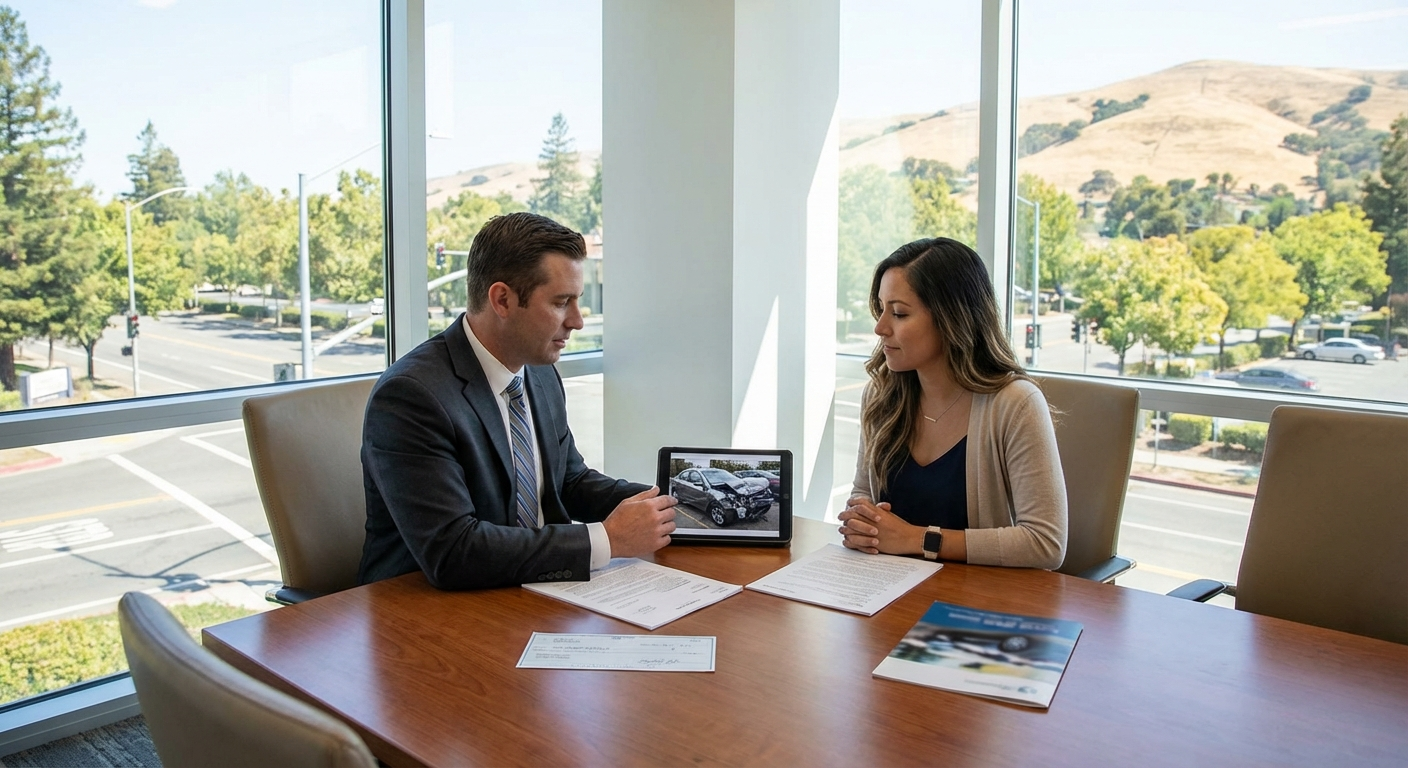
Once your insurer declares a total loss, they’ll make you an offer based on their ACV calculation. This isn’t just a number pulled from thin air; they’re required to provide a written settlement offer that includes a detailed breakdown of how they arrived at that ACV. This report should list comparable vehicles, their sale prices, and any adjustments made for your car’s specific condition or features. They’re also supposed to include sales tax, license fees, and other fees you’d incur buying a replacement vehicle.
You don’t have to accept the first offer. Many people don’t. Sometimes, the initial offer might not fully account for unique features, recent repairs, or the true market value in your specific area. Maybe comparable cars in your Ventura County neighborhood are selling for more than what the database suggests for a wider region.
Which brings up something most people miss: The settlement should also include any applicable sales tax and registration fees for a comparable replacement vehicle. Don’t forget to ask about that. It’s a significant amount in California.
What if You Disagree with the Offer?
This is where the rubber meets the road. If you believe the insurer’s ACV offer is too low, you have options. First, gather your own evidence. Did you just replace the tires? Have a new transmission installed? Keep those receipts. Look for comparable vehicles for sale online in your immediate area – not just nationally. Print out listings from reputable sites, noting their mileage, condition, and features compared to your totaled car. A few extra thousand miles on a comparable car can make a big difference in value.
Present this evidence to your claims adjuster. Be polite but firm. Explain why you think their valuation is off. If you still can’t agree, your policy might have an “appraisal clause.” This allows both you and the insurer to hire independent appraisers. If they can’t agree, a neutral third party (an “umpire”) makes the final decision. You’ll usually split the cost of the umpire, and you pay for your own appraiser. It can be an effective way to resolve disputes, but it does add time and expense to the process.
Another option, especially if you feel you’re being treated unfairly, is to contact the California Department of Insurance (CDI). They regulate insurers and can investigate complaints. They don’t typically arbitrate individual settlement amounts, but they can ensure the insurer is following fair claims practices under California law.
The Role of Your Insurance Agent
Dealing with a total loss claim can be incredibly stressful. This is precisely when having a knowledgeable insurance agent on your side can make a world of difference. An independent agent, like Karl Susman of Los Angeles Car Insurance Quotes (CA License #OB75129), isn’t tied to a single insurance company. He works for you. He can help you understand the process, review your policy, and even advise you on how to best present your case to the claims adjuster.
Think of it: When a major insurer like State Farm, AAA, or Farmers is calculating your ACV, they’re using their own methods. An experienced agent has seen countless total loss settlements and knows the nuances of California insurance regulations. They can be a valuable advocate, ensuring you’re treated fairly and that all aspects of your settlement are considered.
Gap Insurance: A Lifesaver for New Cars
If you financed or leased your car, especially if it’s relatively new, you absolutely need to understand gap insurance. Here’s why: your loan balance might be higher than your car’s actual cash value. This is particularly common in the first few years of ownership, when depreciation outpaces your loan payments. If your car is totaled, your standard auto insurance policy will pay out the ACV. But if that ACV is less than what you still owe on your loan, you’re on the hook for the difference.
Imagine you bought a new SUV in Los Angeles for $40,000. A year later, it’s totaled. Your ACV might be $32,000, but you still owe $35,000 on the loan. Without gap insurance, you’d have to pay that $3,000 difference out of pocket for a car you no longer have. Gap insurance covers that “gap” between the ACV and your outstanding loan balance. It’s a small premium that can save you from a huge financial headache.
Keeping Your Totaled Vehicle
Sometimes, even after an insurer declares your car a total loss, you might want to keep it. Maybe it’s a classic car, or you’re a mechanic who can fix it up cheaper. You can usually do this, but the insurer will deduct the salvage value from your settlement. For example, if your car’s ACV is $10,000 and its salvage value is $1,500, they’ll pay you $8,500 and you keep the car.
But wait — there’s a big catch in California. If you keep a totaled vehicle, it will be issued a “salvage title.” This means the car has been deemed a total loss by an insurer. Getting it back on the road requires a lot of work: repairs, a safety inspection by the DMV, and then a “revived salvage” title. Many insurers won’t provide full coverage for a car with a salvage title, or if they do, the premiums will be much higher. And selling a car with a salvage title? Good luck. Its market value will be significantly lower, often by thousands of dollars, even if it’s perfectly repaired. It’s a big decision, and not one to take lightly.
Tips for a Smoother Settlement
When you’re dealing with a total loss claim, organization is key. Keep meticulous records of all communications with your insurer, including dates, times, and the names of people you spoke with. Document everything about your car before the accident: photos, maintenance records, receipts for upgrades. The more information you have, the stronger your position.
Don’t rush into a decision. Take your time to review the settlement offer, understand its components, and gather any counter-evidence you might have. If you’re feeling overwhelmed, remember you don’t have to go it alone. An independent agent like Karl Susman can offer invaluable guidance through this complex process.
Getting into an accident is bad enough. Don’t let a total loss settlement add to your stress. Knowing your rights and understanding the process in California can help you get a fair outcome.
Frequently Asked Questions About Total Loss Settlements in California
Q1: How long does an insurer have to settle a total loss claim in California?
In California, insurers are generally required to make a decision on your claim and communicate it to you within 40 days of receiving notice of your claim. Once they’ve declared a total loss and you’ve accepted their offer, they typically must issue payment within 30 days. However, factors like complex investigations or disputes can extend these timelines.
Q2: Does my total loss settlement include my deductible?
Your deductible is subtracted from the payout if you’re making a claim under your own collision coverage. For example, if your car’s ACV is $15,000 and you have a $1,000 deductible, your insurer will pay you $14,000. If the other driver was at fault and you’re claiming under their liability insurance, you typically won’t pay a deductible.
Q3: Can I choose my own repair shop if my car isn’t totaled?
Absolutely. In California, you have the right to choose any licensed repair shop you want. Your insurer cannot require you to use a specific shop, though they might recommend one from their network. If your car isn’t totaled, they’re responsible for the reasonable cost of repairs to restore your vehicle to its pre-accident condition.
For personalized advice on your auto insurance needs or if you’re facing a total loss claim, reach out to an expert. Karl Susman and the team at Los Angeles Car Insurance Quotes (CA License #OB75129) are here to help California drivers navigate these situations. Get a free quote today to ensure you have the right coverage before an accident strikes. Or if you’re dealing with the aftermath of a total loss, don’t hesitate. Reach out for guidance.
This article is for informational purposes only and does not constitute financial advice.